
NEWS
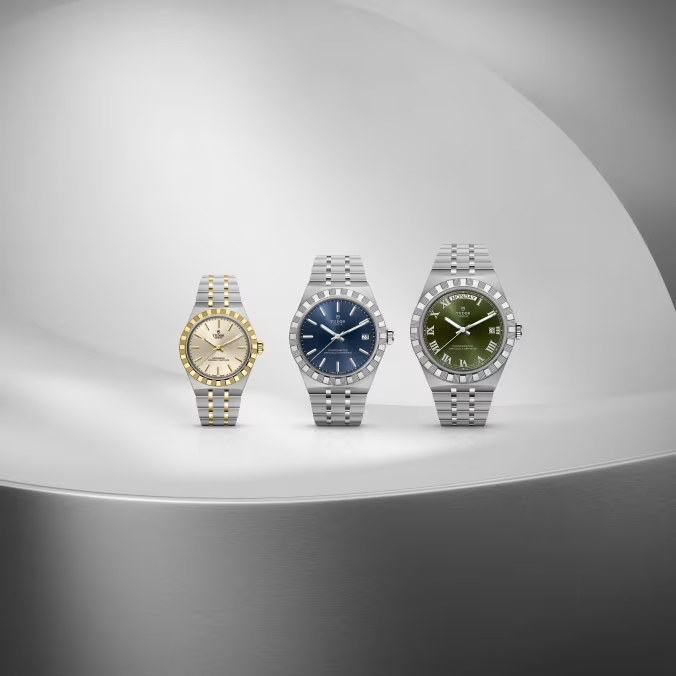
Advice on caring for your watch correctly
A watch can stay in good condition for many years if it is used according to its characteristics.The movement, materials, water resistance and the manufacturer’s instructions all determine how it should be maintained.Knowing these aspects makes it possible to apply the right care and avoid interventions that could damage the piece.Know the characteristics of your… Continue reading Advice on caring for your watch correctly
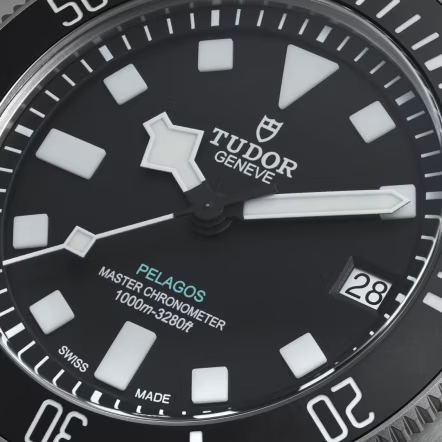
Water resistance in watches
Water resistance is one of the most common specifications on a watch, yet also one of the most easily misunderstood. To know whether a watch can be worn in the rain, by the pool or during a dive, it is worth understanding what this rating actually measures and what limits it may have in everyday… Continue reading Water resistance in watches
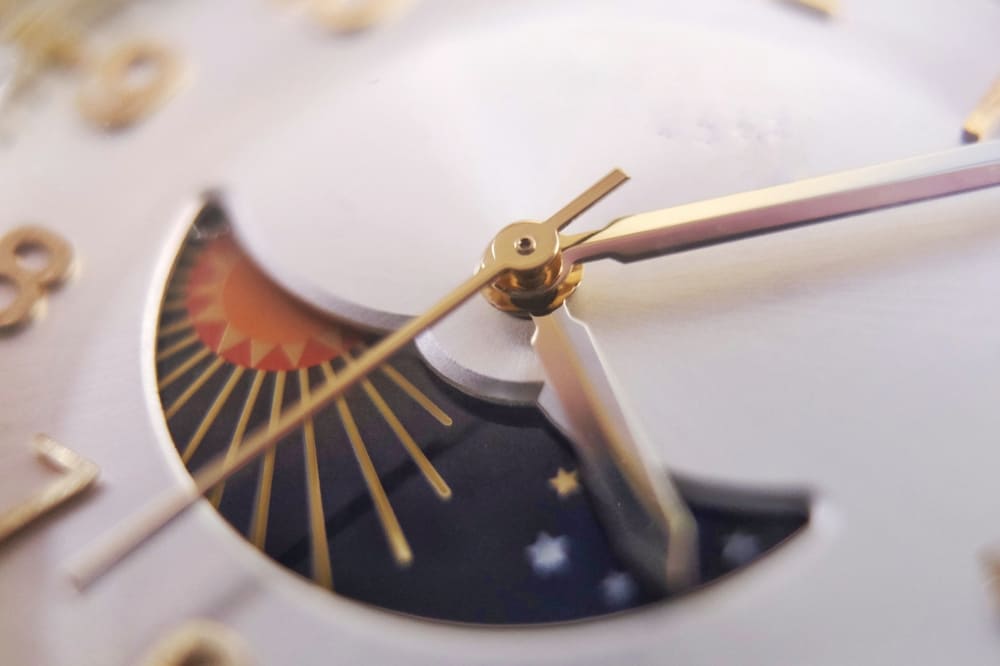
The moon phase in watchmaking: what it is and how it works
In watchmaking today, timekeeping tied to the observation of the sky remains present in certain complications capable of incorporating cycles that unfold at a rhythm different from that of the hours, the minutes and the seconds. Among them, the moon phase stands out for its presence on the dial and for the mechanical work it… Continue reading The moon phase in watchmaking: what it is and how it works
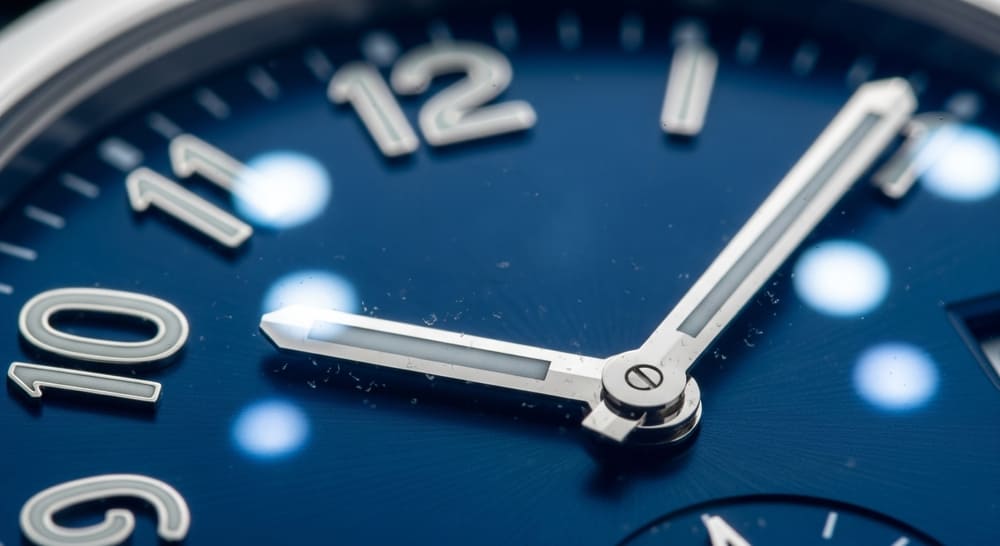
COSC certification in watchmaking
Precision is one of the fundamental considerations when choosing a mechanical watch and, in this context, the designation ‘chronometer’ is tied to a very specific level of exactitude. In this article we take an in-depth look at COSC certification in order to understand what this certification involves within watchmaking. What is COSC certification? COSC stands… Continue reading COSC certification in watchmaking
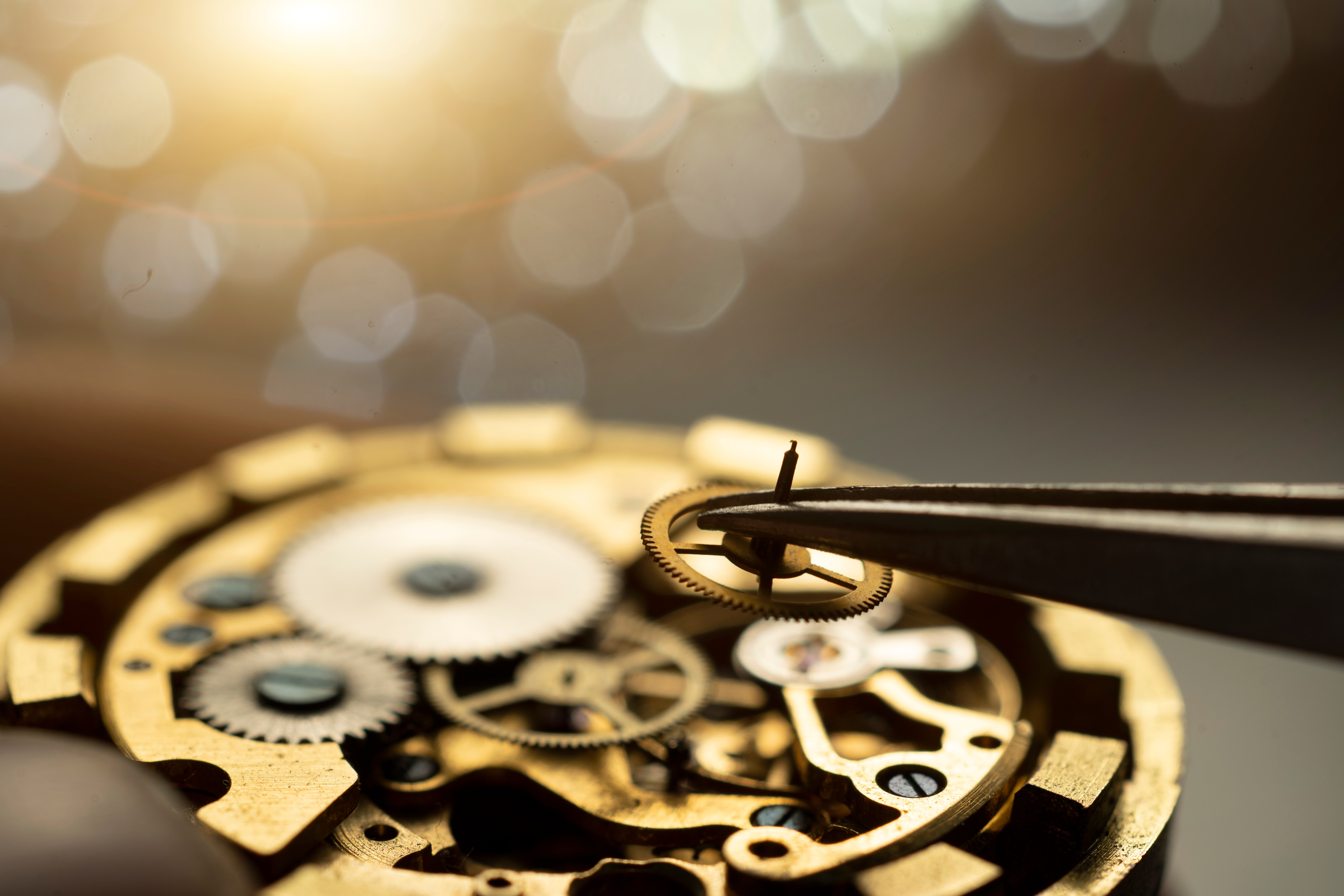
What are the different types of watch movements?
Beneath the dial of every watch works a mechanism that defines how it measures time. That mechanism is the movement, and understanding it is the best way to appreciate what sets one timepiece apart from another. In this article we look at the types of watch movements that exist, how each one works and what… Continue reading What are the different types of watch movements?
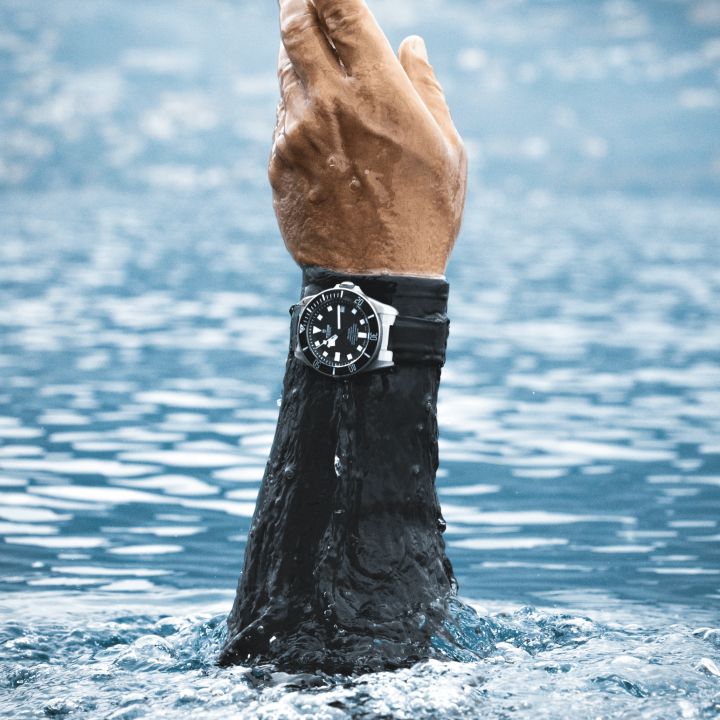
The TUDOR Pelagos collection: the history and features
The TUDOR Pelagos collection brings together the most technical dive watches produced by the Swiss manufacture. In the following article, we trace its history and the features that define each of its models. The history of the TUDOR Pelagos: from the French National Navy to the modern tool watch To understand the Pelagos, one must… Continue reading The TUDOR Pelagos collection: the history and features
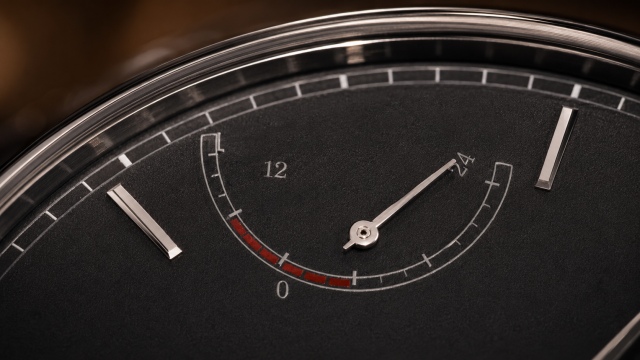
Power reserve in watchmaking
In mechanical watchmaking, certain technical concepts directly influence the experience of wearing a watch. One of these is the power reserve, a feature that indicates how long a movement can run once it has been fully wound. Although it may seem like a secondary detail, the power reserve helps to provide a better understanding of the autonomy… Continue reading Power reserve in watchmaking
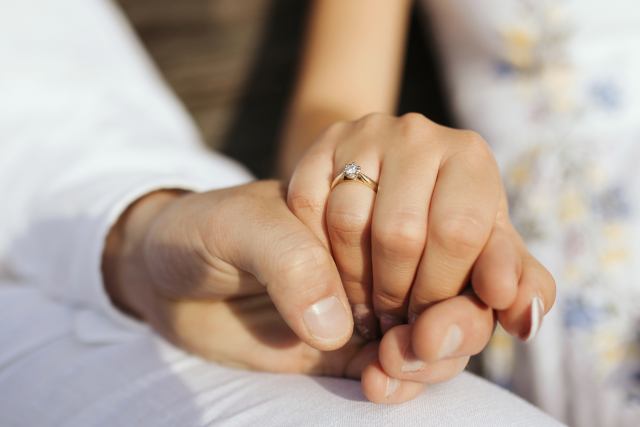
How to choose the perfect wedding ring?
Choosing the perfect wedding ring means finding a band capable of representing a promise and accompanying it over time.
The bezel of a watch
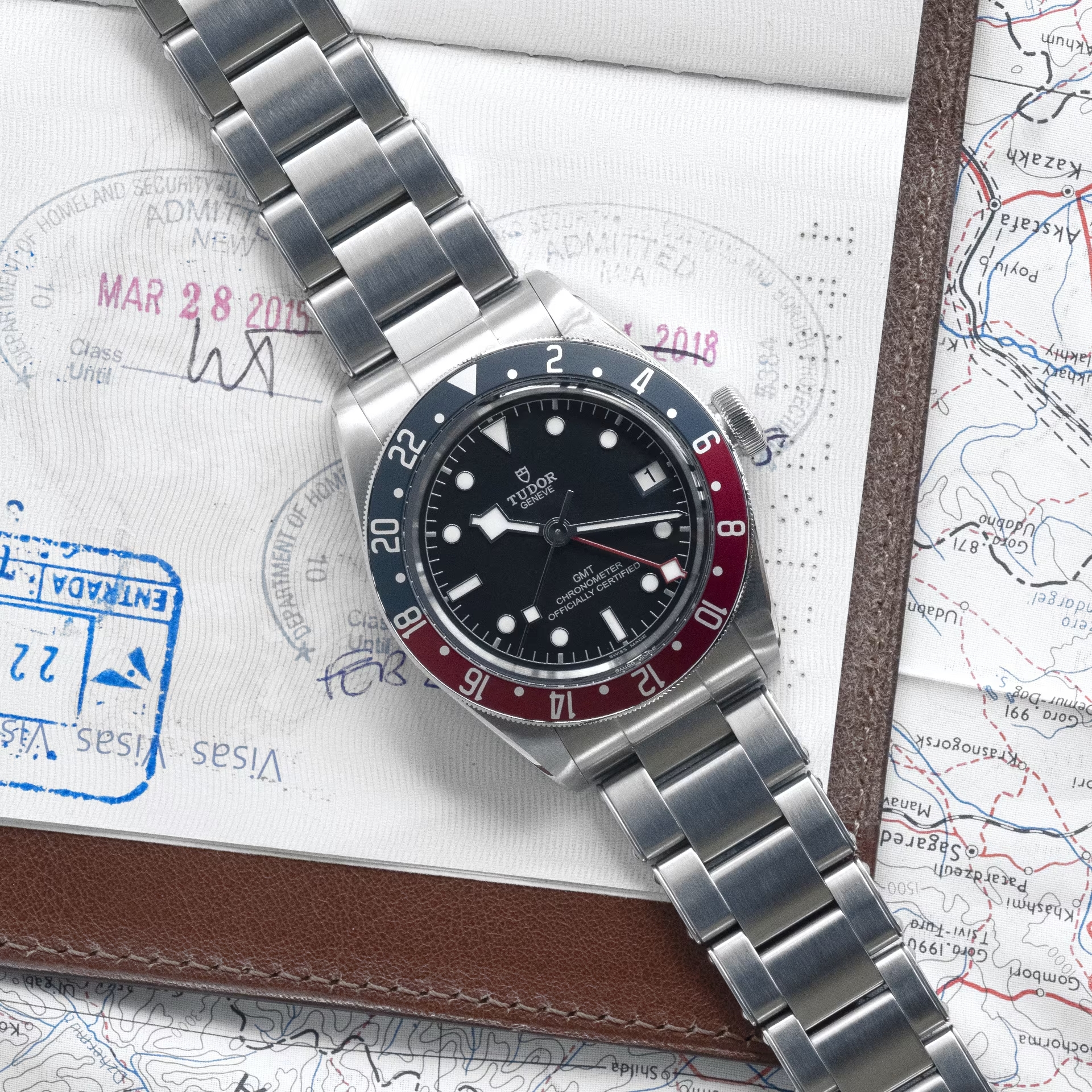
The bezel is one of those components that can seem secondary until you learn to look at a watch closely. It is located on the upper part of the case, surrounding the crystal, and its primary purpose is clear: to hold, protect and frame the reading area. It can measure time, assist during a dive, indicate another time zone,… Continue reading The bezel of a watch
Differences between necklaces and chokers
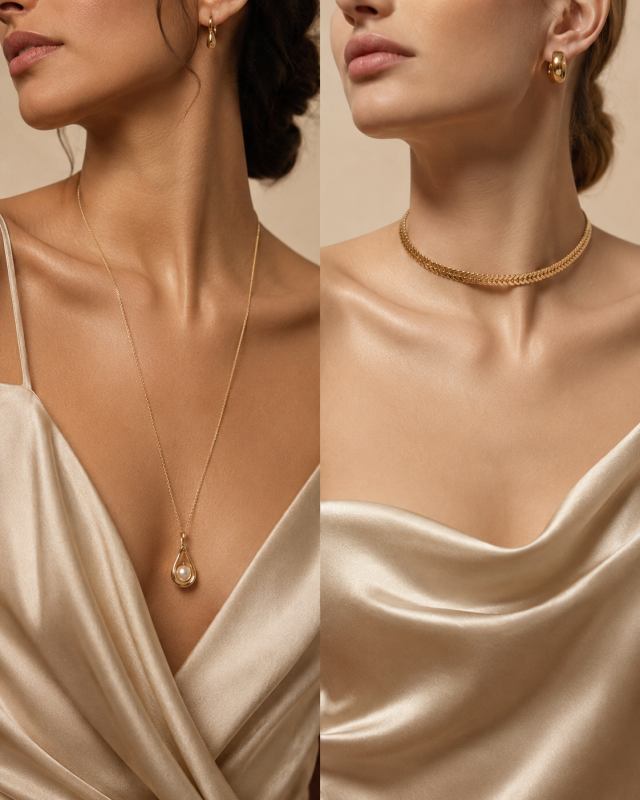
Necklaces and chokers are often used as though they were the same thing, but in jewellery it is worth making that distinction properly. It does not only affect the name of the piece. It also changes how it sits when worn, which area it highlights and whether it truly works with the neck, the neckline and the… Continue reading Differences between necklaces and chokers
Everything You Need to Know About the Watch Dial
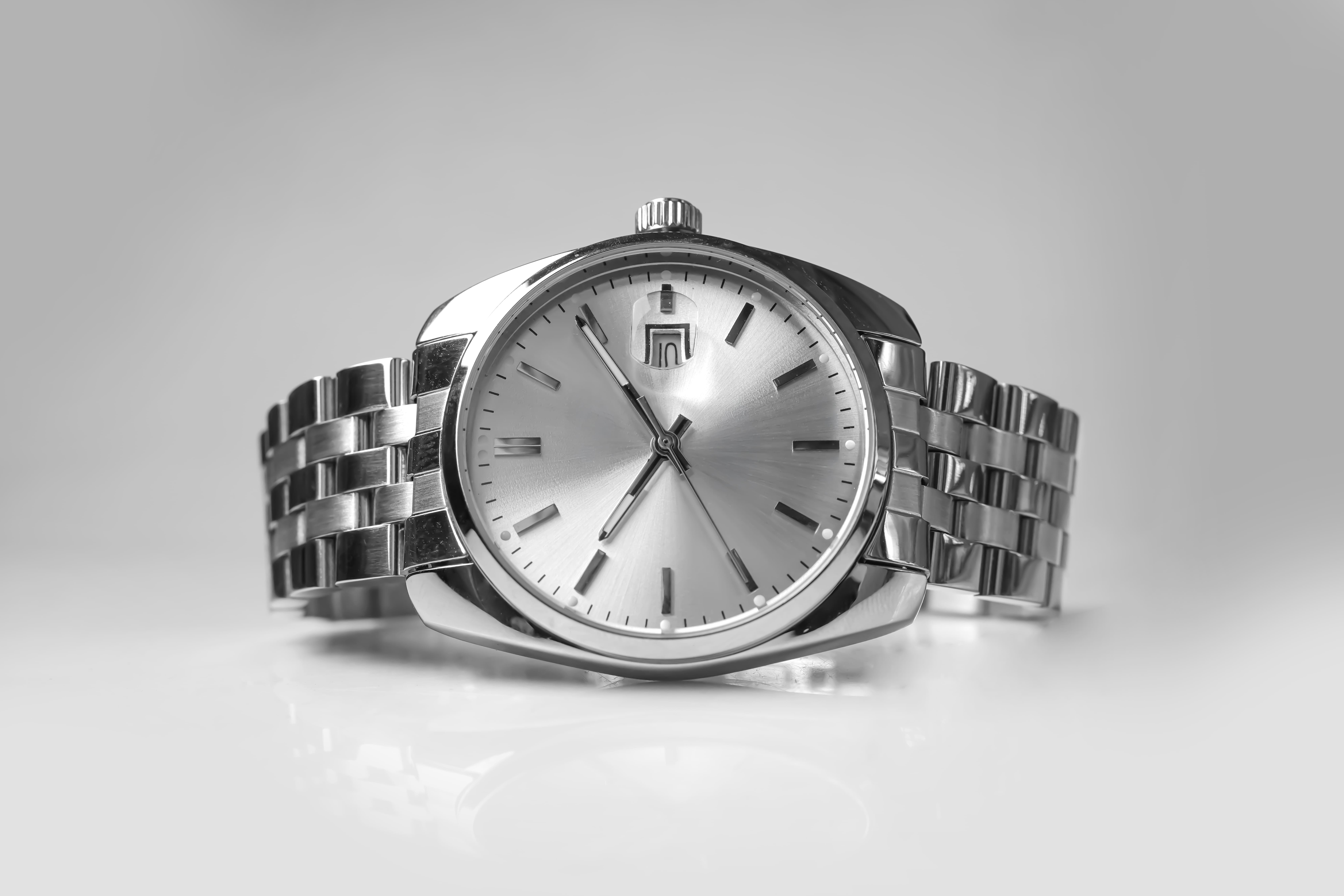
A watch dial is the visible surface beneath the crystal where time is displayed, and it also shapes how clearly you can read the watch at a glance. This article breaks down the dial as a reading system, explaining the role of indices, hands and the minute track, as well as common additions such as the date window and sub dials for extra functions.
What is a chronograph and how does it work
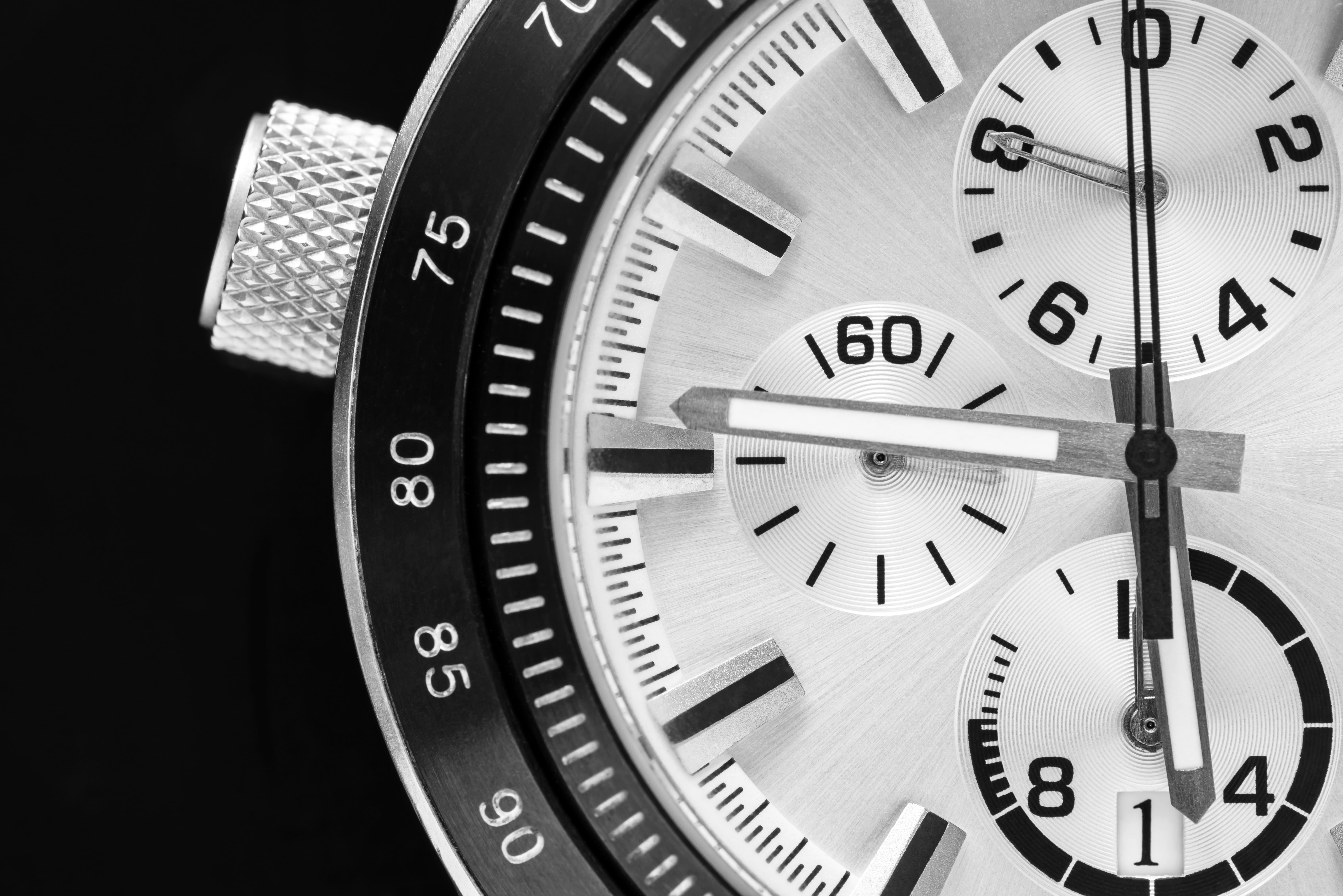
A chronograph is a watch complication that lets you measure elapsed time using pushers, while the watch continues to display the current time. It’s typically identified by sub dials and a central timing hand that activates only when you start the function. This article explains what each control does, what happens inside the movement when you start, stop and reset, and how a chronograph differs from a chronometer, which refers to certified accuracy rather than timing.