Water resistance in watches
Water resistance is one of the most common specifications on a watch, yet also one of the most easily misunderstood.
To know whether a watch can be worn in the rain, by the pool or during a dive, it is worth understanding what this rating actually measures and what limits it may have in everyday use.
What does it mean for a watch to be water-resistant?
When a watchmaker states that a watch is water-resistant, this means its case has been designed to prevent water entering up to a given pressure level, under defined test conditions.
In watchmaking, terms such as ‘water resistance’ or ‘water-tightness’ are used to describe this level of protection.
These are more precise terms than calling a watch ‘waterproof’, a label that can suggest its protection against water is absolute.
ATM, bar and metres: how to interpret water resistance
ATM and bar are units of pressure that, although not exactly equivalent, are used almost interchangeably in watchmaking, since one standard atmosphere corresponds to approximately 1.013 bar.
These ratings are usually given alongside a nominal equivalence in metres, so that 3 ATM corresponds to around 30 metres, 5 ATM to 50 metres, 10 ATM to 100 metres and 20 ATM to 200 metres.
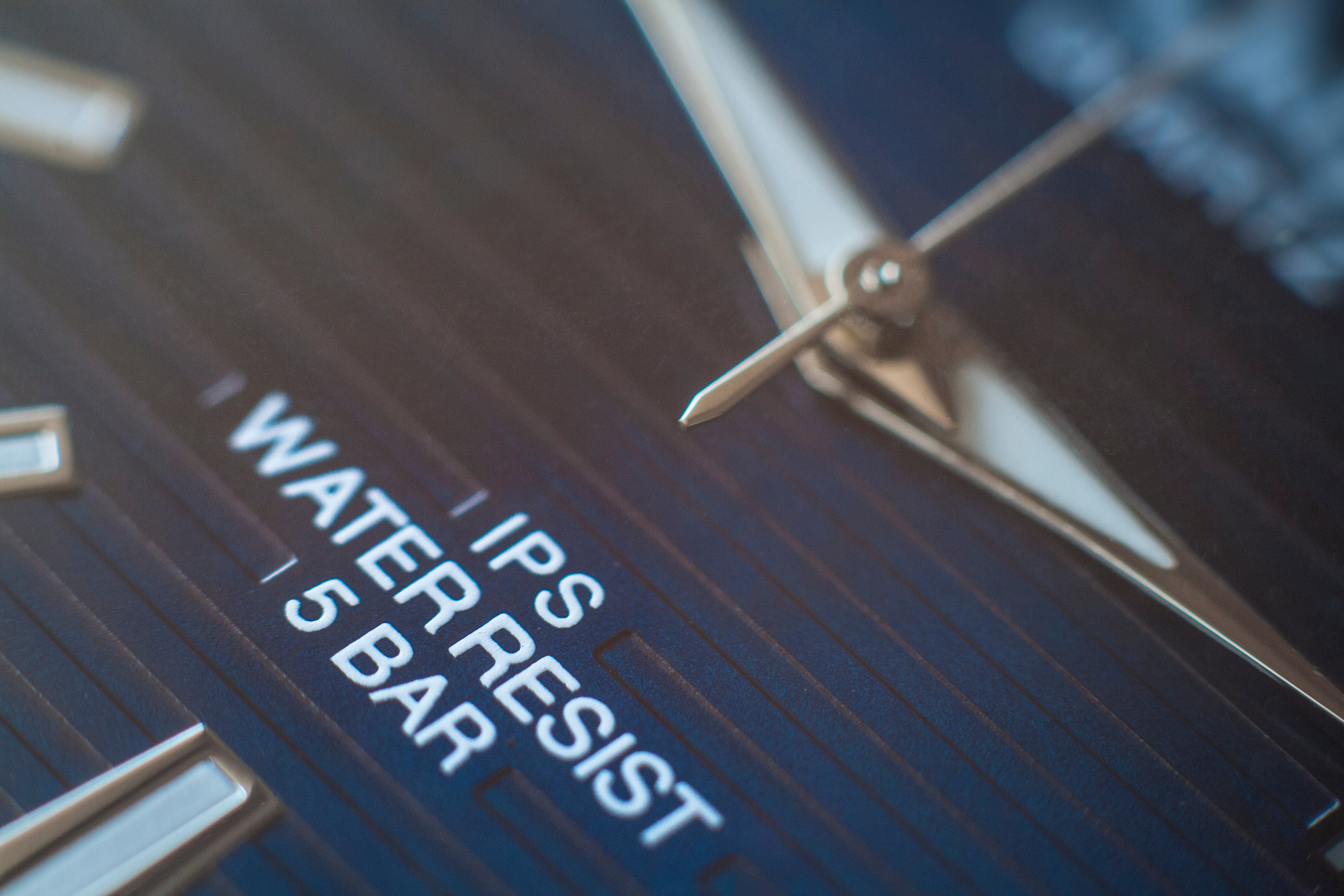
The key is not to read those metres as automatic authorisation to use the watch at that depth, because the figure reflects a rating obtained through specific tests and does not replicate every condition that can arise in real use.
The condition of the gaskets, temperature, knocks, the length of exposure or the position of the crown and pushers also play a part, so two watches with a similar rating may be intended for different uses.
What can I do according to my watch’s water resistance?
The lowest resistance levels are usually intended for limited everyday contact with water, such as rain or occasional splashes, whereas watches designed for swimming, water sports or diving tend to offer a more capable construction.
Even so, it is best not to turn each figure into a universal rule such as ‘5 ATM is fine for swimming’ or ’10 ATM allows snorkelling’, because the permitted use depends on the model.
For this reason, if the watch will be regularly used in water, the best approach is always to check which uses the watchmaker approves for that specific model.
The shower, for example, deserves separate consideration, since it combines hot water, steam, soap and changes in temperature.
How a watch keeps water out
Water-tightness depends on the case as a whole, because any join between components can become a weak point.
The crystal, case back, crown and, where fitted, the pushers or correctors must all be properly sealed, usually by means of elastic gaskets capable of maintaining the seal while retaining their properties.
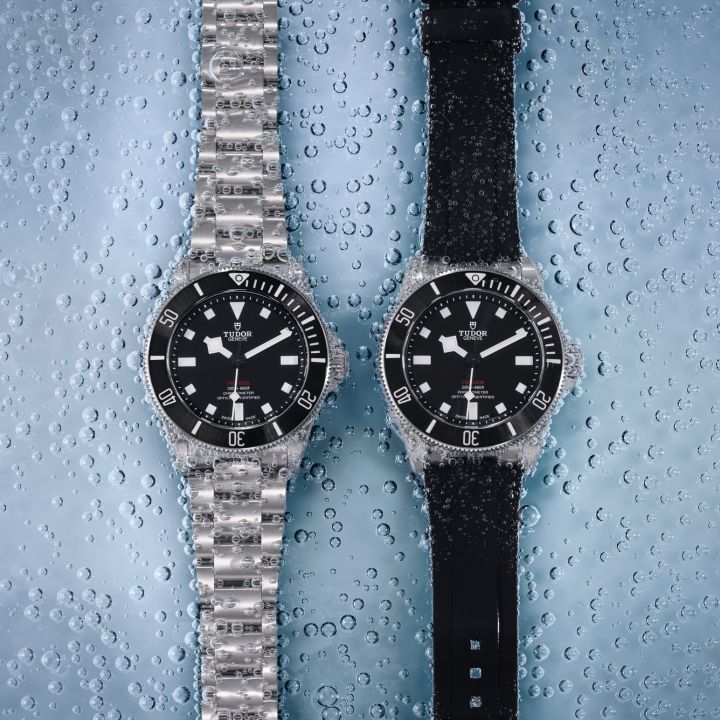
The crown is especially important because it connects the outside to the movement and, in many sports watches, a screw-down system is used to secure the seal more effectively, although its presence alone does not guarantee a given level of water resistance.
Something similar applies to the pushers on chronographs, as each one needs its own sealing system and, unless the manufacturer expressly states otherwise, they should not be operated underwater.
Water-resistant watch versus dive watch
A high water resistance rating does not automatically make a watch a dive watch, since a model may claim 200 metres without having been specifically designed for diving.
A true diver must also meet requirements relating to legibility, tracking immersion time and safety of use underwater.
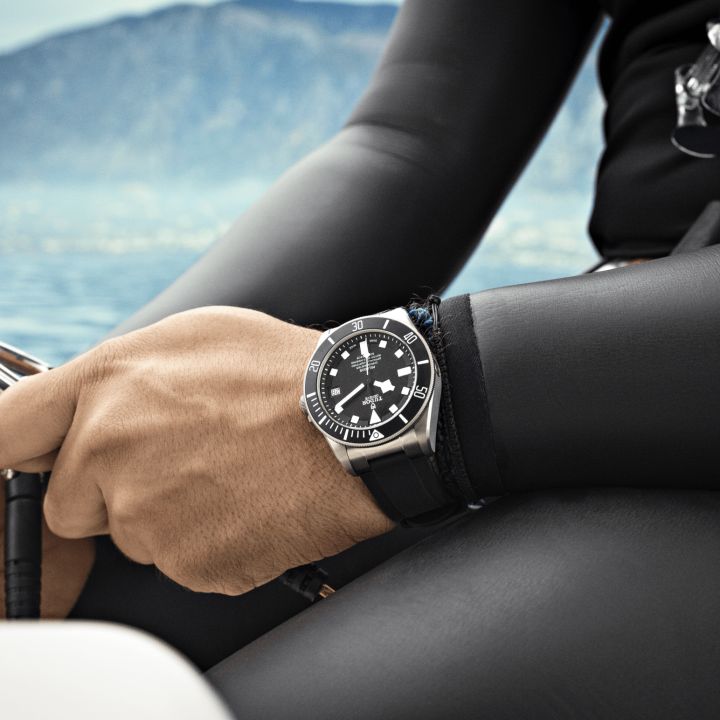
The ISO 6425 standard is one of the technical references applicable to this category and covers, in addition to water resistance requirements, aspects relating to the measurement of immersion time, visibility and various tests.
In practice, a dive watch must be built to perform in a demanding underwater environment, rather than simply displaying a high figure in metres.
When choosing a watch for swimming or diving, it is worth considering what activity the model was actually designed for, because water resistance can only be correctly understood in relation to the watch’s construction, its state of maintenance and the manufacturer’s specific instructions.
Dive watches at The Red House
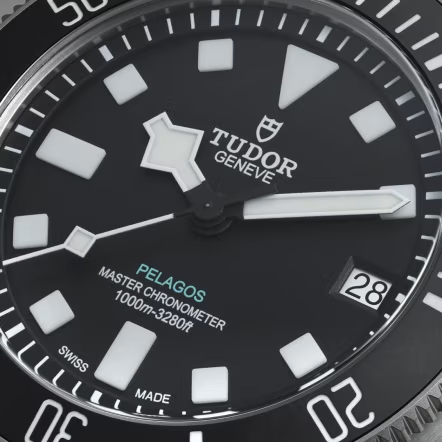
TUDOR Pelagos Ultra
With water resistance of up to 1,000 metres, the TUDOR Pelagos Ultra is built for professional use in demanding diving conditions.
Its 43 mm titanium case incorporates a helium escape valve, while the blue and green luminescence makes the indications easy to read underwater.
The bracelet features a T-fit clasp for a more comfortable fit, and the model also carries the METAS Master Chronometer certification, which rounds off its high level of precision and performance.
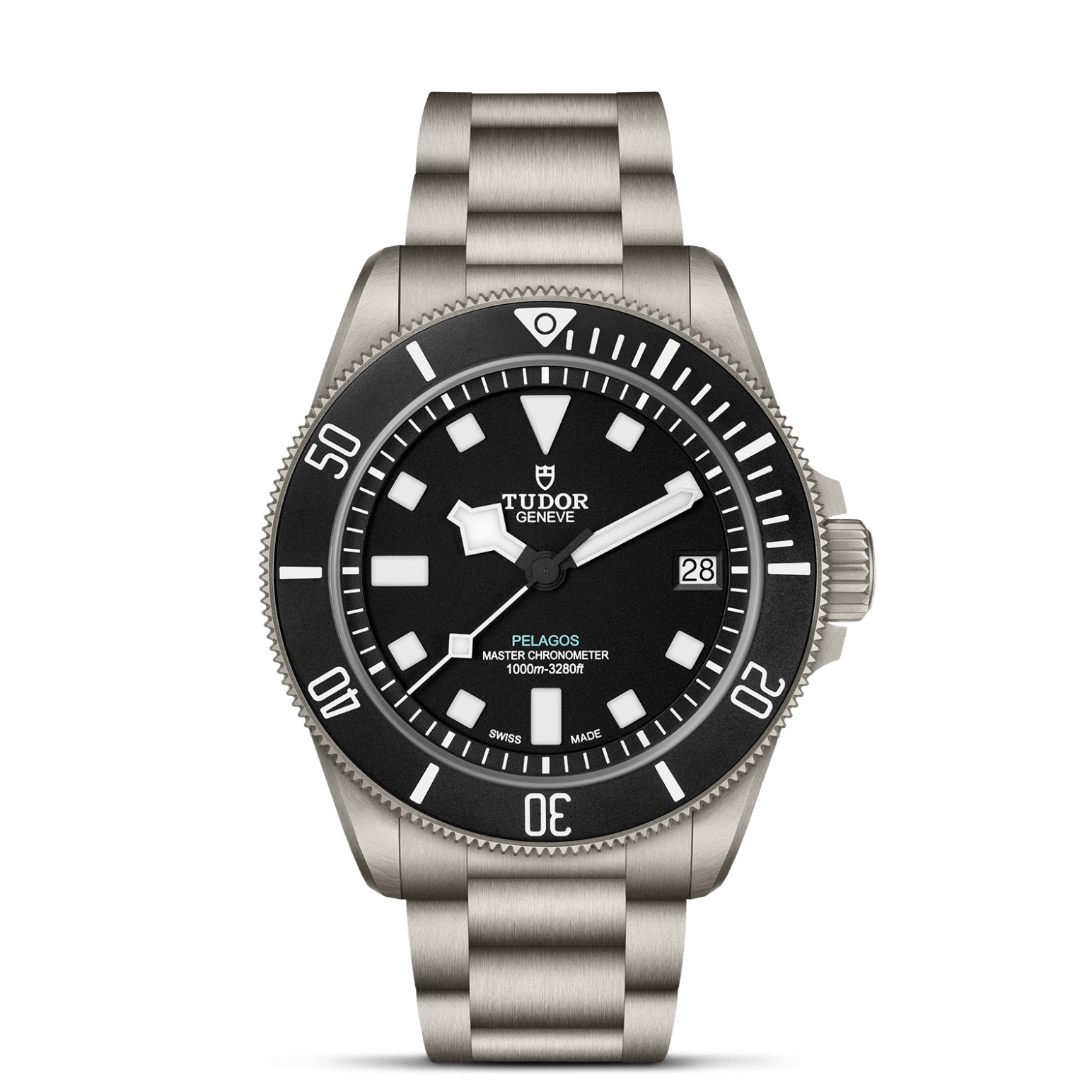
Pelagos Ultra M2543C1A7NU-0001
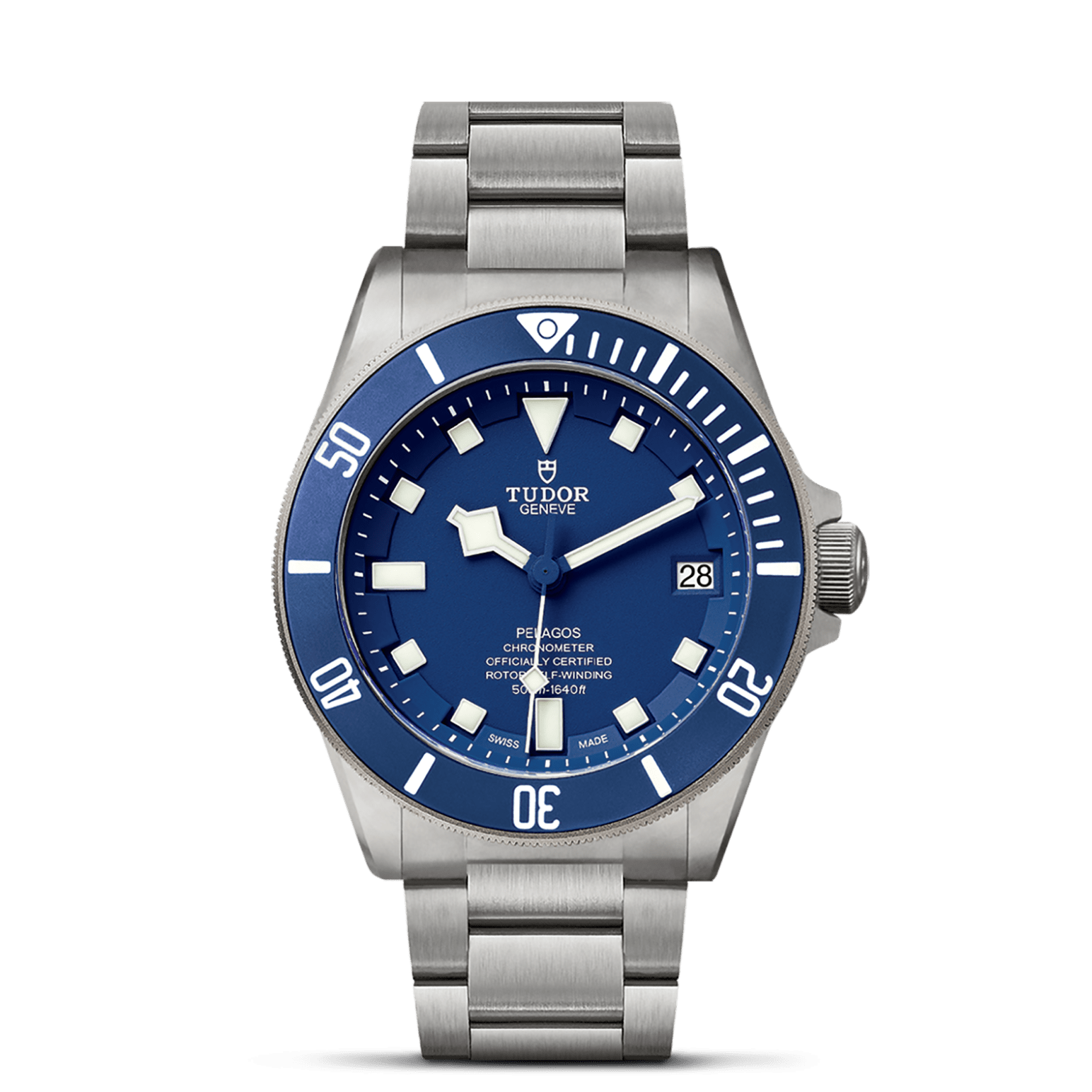
TUDOR Pelagos
The TUDOR Pelagos combines clear legibility with a construction designed for diving.
Its blue dial, white hour markers and luminescent bezel graduations aid visibility in low-light conditions.
It offers water resistance of up to 500 metres and a 42 mm titanium and steel case with a helium escape valve.
The unidirectional rotating bezel features a disc in matt blue ceramic, while the titanium bracelet includes TUDOR’s patented extension system for a better fit over a diving suit.
If you are interested in TUDOR watches and would like to discover more of the brand’s dive models, we invite you to visit The Red House, in Gibraltar, where you can explore different references, compare their features and receive personalised advice to find the option that best suits your lifestyle.