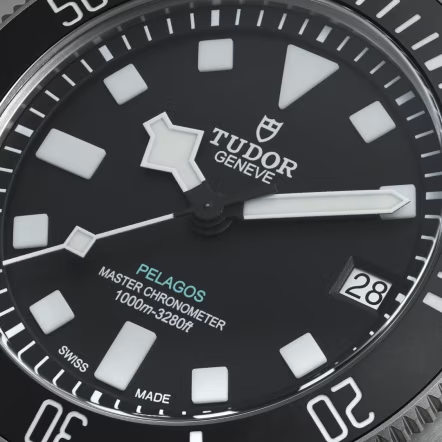
How to choose the right watch size for your wrist
Choosing a watch means paying attention to a great many details, from the design of the dial to the materials and finishing of the case.
Among them, size plays a fundamental role, as it directly affects both how the watch looks and how comfortable it is to wear.
Understanding these measurements will help you compare models with a more discerning eye and find proportions that suit your style and preferences.
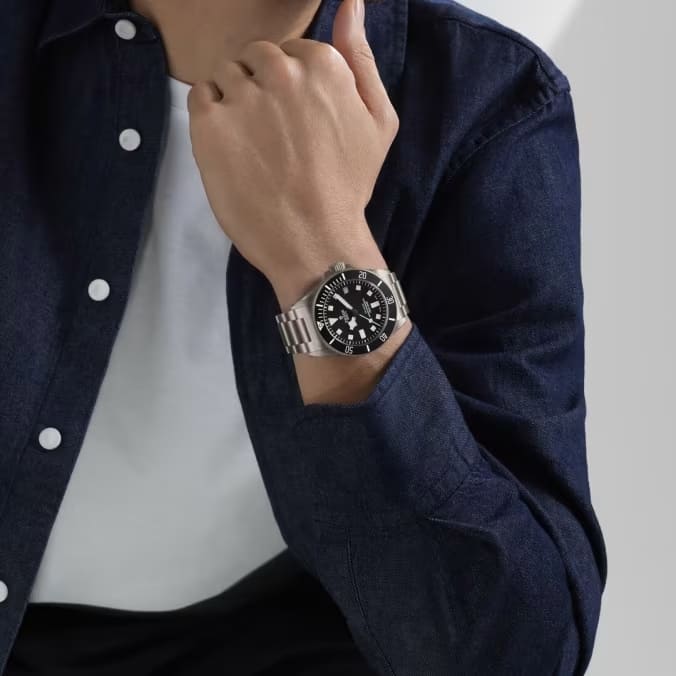
How to measure your wrist correctly
The first step in choosing a watch size is to know the circumference of your wrist.
This measurement provides an initial reference point for identifying the most suitable case diameters.
To measure it, use a flexible tape measure and wrap it around your wrist where you would wear the watch. The tape should sit snugly against the skin, neither too tight nor too loose.
As well as the circumference, it is important to consider the shape of the wrist, since two people with the same circumference may have a flatter or more rounded upper surface, which affects how the lugs sit and how the case adapts.

Which watch size to choose for your wrist
Once you know the circumference, you can use it as a reference to identify which case diameters are worth considering.
For small wrists, under 15 centimetres, watches between 32 and 36 mm tend to offer balanced proportions.
If the circumference is between 15 and 16.5 centimetres, diameters of 34 to 38 mm are a good reference, especially for those who prefer an understated look.
For medium-sized wrists, between 16.5 and 18 centimetres, watches of 38 to 42 mm can be considered.
For wrists with a circumference of between 18 and 19.5 centimetres, watches of 40 to 44 mm are usually suitable, while for those that exceed 19.5 centimetres, diameters of between 42 and 46 mm can be considered.
These ranges are intended as a guide and allow for variation depending on the design and personal preference.
A 36 mm watch can look elegant on a large wrist, while a 40 mm model can suit a smaller wrist if it has a compact case and short lugs.
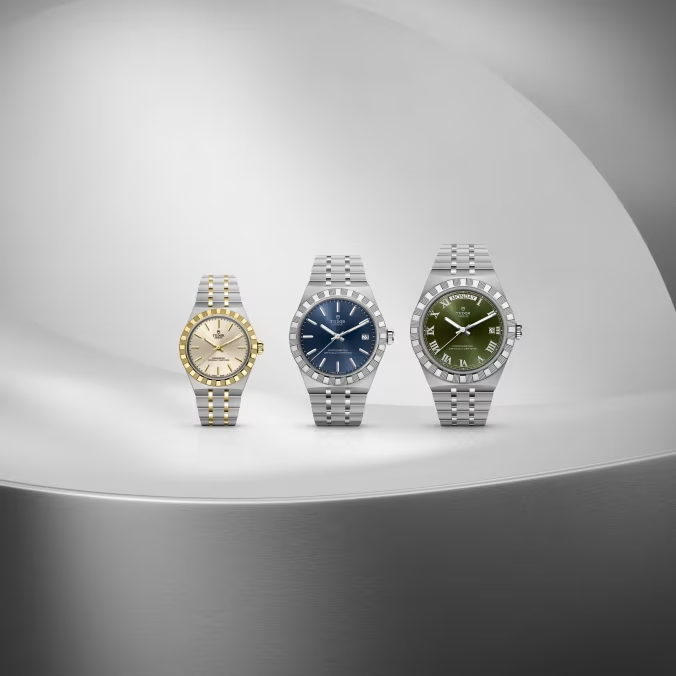
The four watch measurements you should know
Although diameter is the measurement most commonly used to describe the size of a watch, there are other characteristics that influence its proportions and how it sits on the wrist.
Case diameter
This is the width of the case, expressed in millimetres, generally measured without including the crown or pushers.
Its size largely determines the visual presence of the watch, although the design of the bezel also plays a part.
For example, a narrow bezel leaves more of the dial visible, which can make the watch appear larger than another of the same diameter with a wide bezel.
Lug-to-lug distance
The lug-to-lug distance is the measurement from the upper end to the lower end of the watch case, including the lugs to which the strap or bracelet is attached.
This measurement is important for knowing how the watch will fit on the wrist, as ideally the lugs should not extend beyond the edges of the wrist.
This is why a watch with a smaller diameter can appear larger than another if it has longer lugs, even though its case is smaller.
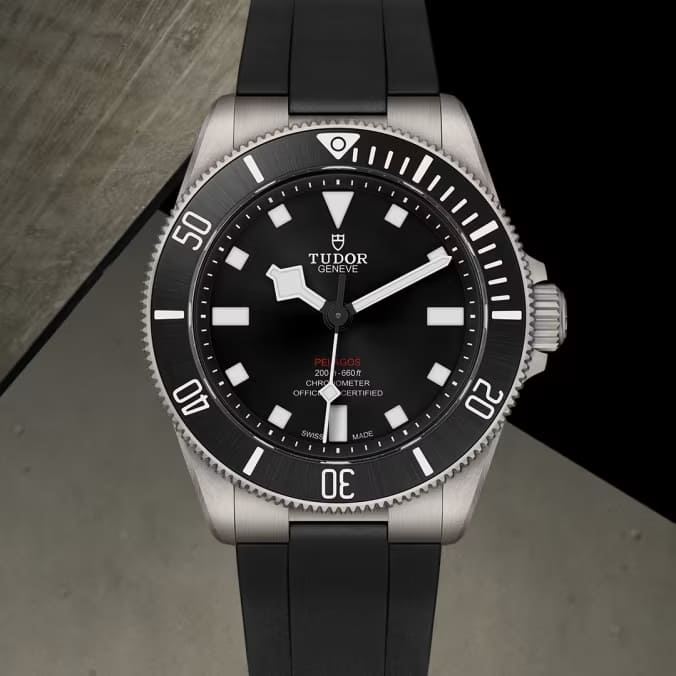
Case thickness
Thickness corresponds to the height of the watch, measured from the bottom of the case to its highest point, usually the crystal.
Slim watches tend to offer a more understated look and slip easily under a shirt cuff.
Thicker cases, on the other hand, have greater volume and can be more noticeable when worn.
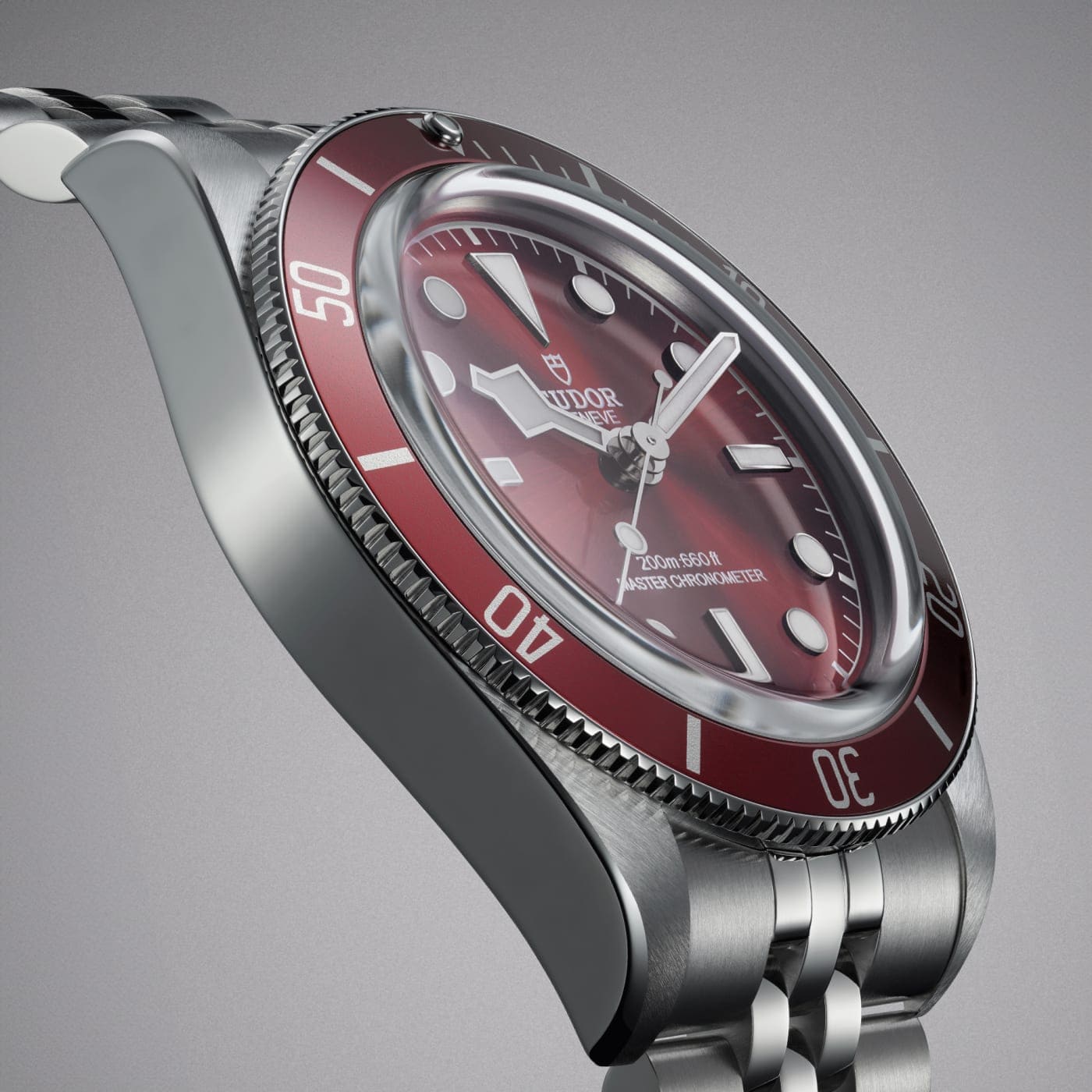
Strap or bracelet width
This is the distance between the lugs where the strap or bracelet is attached, usually expressed in millimetres.
Narrow straps tend to lend a more delicate look, while wide ones reinforce the visual presence of the case.
It is also important to check its length and adjustment options to ensure a comfortable fit.
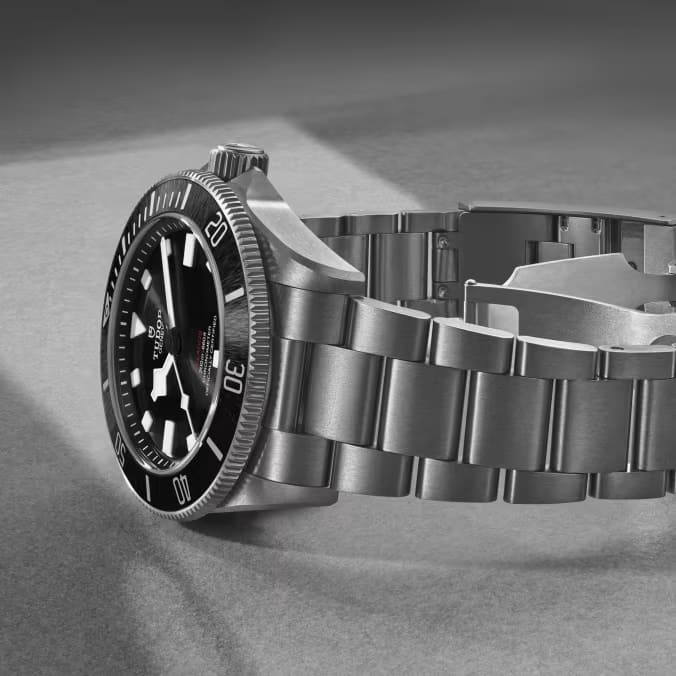
What changes depending on the type of watch
Beyond the dimensions, the design and function of each watch shape how its size is perceived.
It is therefore worth bearing in mind the characteristics of the main watch categories.
Dress watches
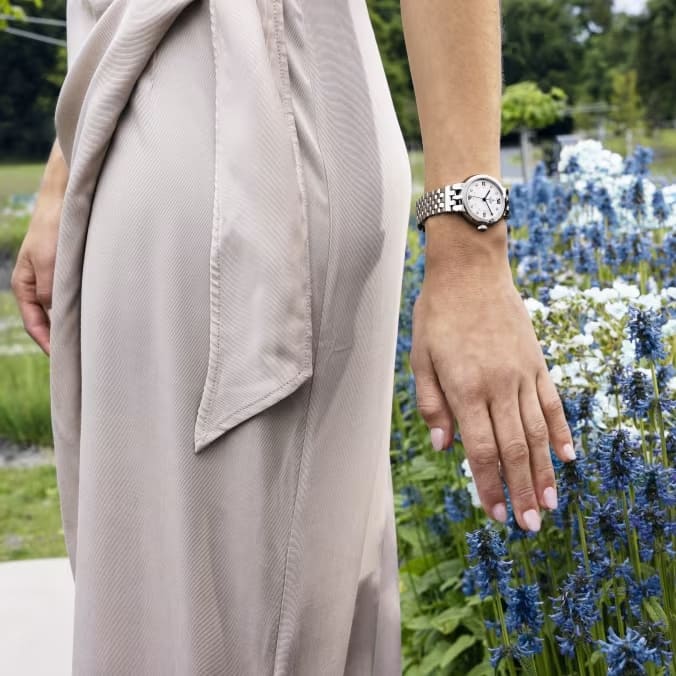
Dress watches usually stand out for their small cases, slim profiles and elegant designs.
Diameters of 34 to 38 mm are common in classically styled pieces, where the aim is an understated presence and a comfortable fit under the shirt cuff.
Sports and dive watches
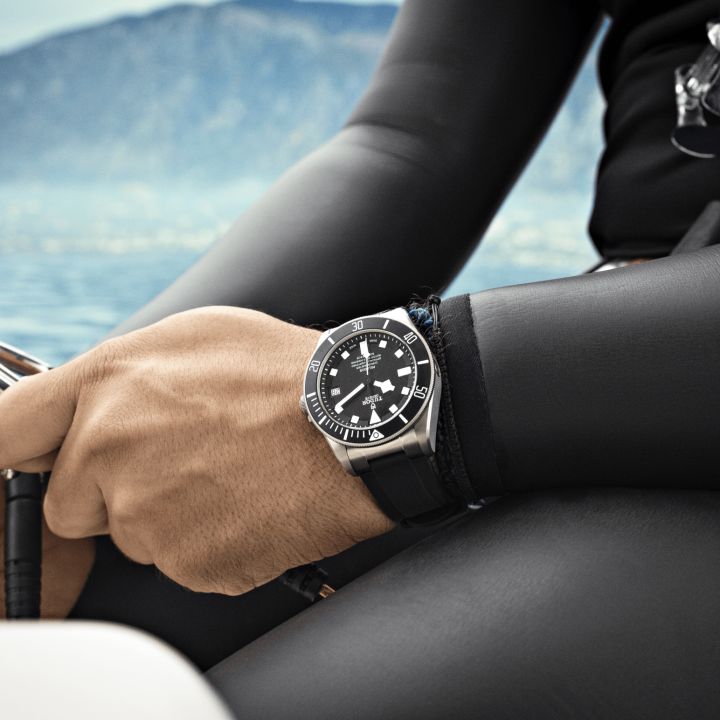
Sports watches usually feature robust cases and elements designed to enhance durability and functionality.
On dive models, the rotating bezel takes up part of the case diameter, reducing the visible area of the dial.
This can make them look more compact than their dimensions suggest.
Chronographs
Chronographs measure intervals of time and usually feature additional counters on the dial and pushers on the sides of the case.
Because of their design, some models can look larger and be thicker than other watches of the same diameter.
For example, the TUDOR Black Bay Chrono has a case measuring 41 mm in diameter and 14.4 mm in thickness, so it is important to take both measurements into account when judging how it will look on the wrist.

The Red House in Gibraltar, official TUDOR retailer
Choosing the right watch size is much easier when you have the opportunity to try it on, check its comfort and see how it looks on your wrist.
We invite you to visit The Red House, official retailer of TUDOR in Gibraltar, where you can discover its watches up close and receive personalised advice to find the model and size that best suit your preferences.