Advice on caring for your watch correctly
A watch can stay in good condition for many years if it is used according to its characteristics.
The movement, materials, water resistance and the manufacturer’s instructions all determine how it should be maintained.
Knowing these aspects makes it possible to apply the right care and avoid interventions that could damage the piece.
Know the characteristics of your watch
Before cleaning, storing or adjusting a watch, it is important to know what type of piece you are dealing with.
An automatic watch does not require the same treatment as a hand-wound one, nor does a steel case require the same care as one in gold or platinum.

The watchmaker’s recommendations should always be the starting point.
It is also worth checking the water resistance, since this rating corresponds to specific test conditions and does not mean that any watch can be used in the shower, the pool or the sea.
Water resistance can be affected over time by the wear of gaskets and other components.
If there is any doubt before exposing it to water, the safest course of action is to have it professionally checked.
Everyday cleaning and care
Everyday wear leaves dust, fingerprints and perspiration on the watch, so gentle cleaning helps preserve it without altering its finishes.
In many cases, a soft, non-abrasive cloth is enough for the case, crystal and bracelet.
Water, soap or brushes should only be used when the piece’s characteristics allow it, but if you are unsure about its water resistance or materials, it is best to limit yourself to a surface clean.
Also, solvents, abrasive products and home remedies that could damage gaskets, coatings or finishes should be avoided.
On the other hand, straps require care suited to their material, for example, a leather strap is especially sensitive to moisture, perspiration, perfumes, creams and heat.
How to care for an automatic or hand-wound watch
With mechanical watches, correct use helps avoid unnecessary handling.
An automatic watch may stop after several days of not being worn, once its power reserve runs out, without this indicating a fault.
To get it running again, it may be necessary to wind it using the crown, following the watchmaker’s instructions, as the procedure varies according to the calibre.
In a hand-wound watch, winding should be done gently, without forcing the crown.
In addition, if the watch has a calendar, chronograph or other functions, it is advisable to consult the manual before making any adjustments.
How to store your watch correctly
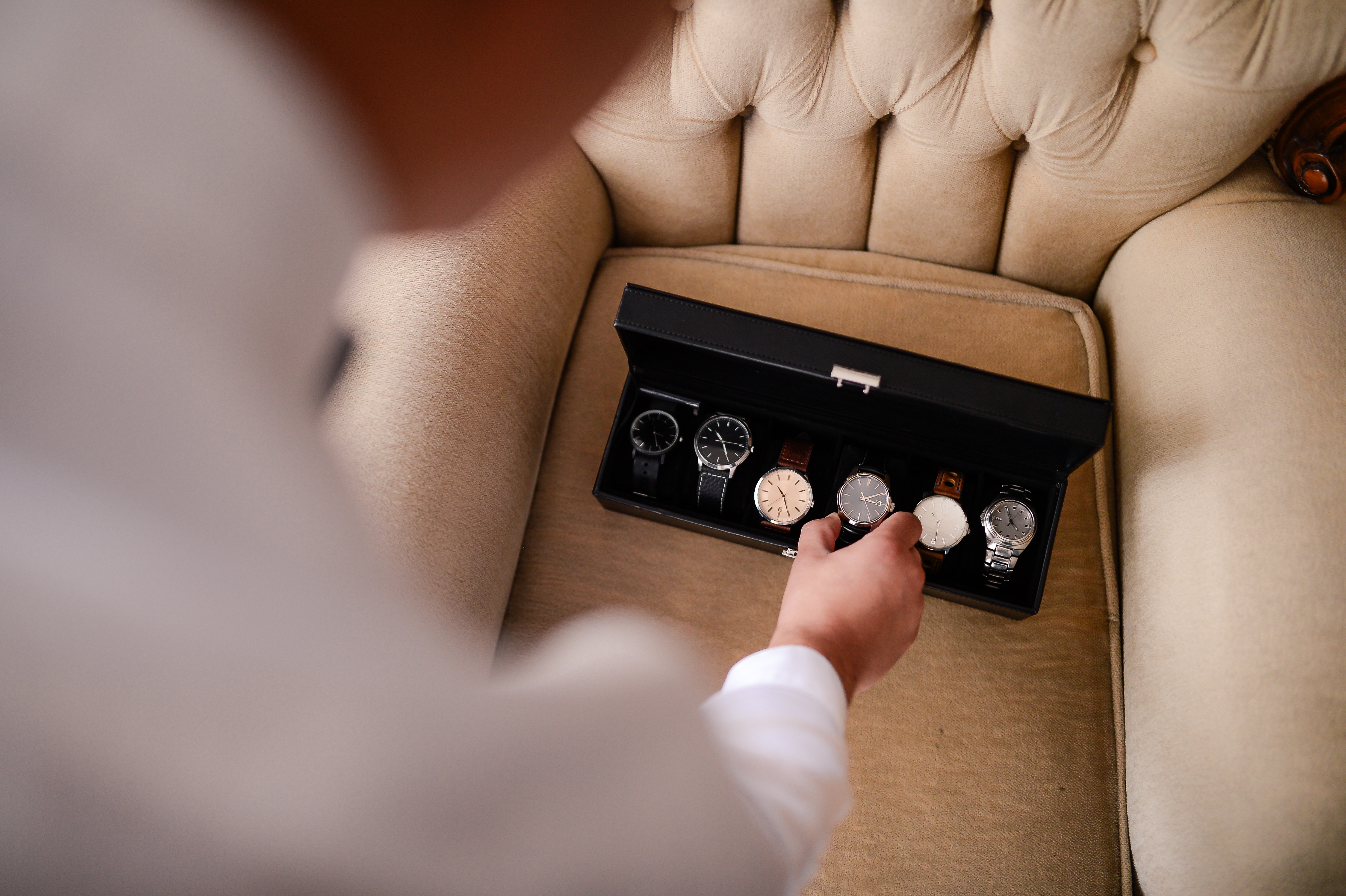
When the watch is not being worn, the priority is to protect it from knocks, moisture, dust and rubbing.
A suitable box or case helps preserve its surfaces, especially when storing several pieces together.
The location should be dry and stable, away from extreme temperatures and strong magnetic fields.
If several watches share the same space, it is best to keep them separated to avoid scratches.
Special care for luxury watches and high jewellery
Watches made with precious metals, intricate finishes or jewellery elements require special care.
With this type of piece, unsuitable cleaning or treatment can alter its appearance and even change some of its original details.
On cases in gold, platinum or other delicate materials, special attention should be paid to the finishes, since polished, satin or brushed surfaces need specific treatments, and poor polishing can soften edges, alter proportions or blur the transition between different types of finish.
For this reason, scratches should not automatically be removed, since polishing takes off a small amount of material and can alter the piece’s original finish, so it should only be carried out when truly necessary and always under the judgement of a specialist.
With gem-set watches, special care should be taken, as diamonds, coloured stones, pearls, mother-of-pearl and other materials may require different cleaning methods depending on their characteristics and the type of setting.
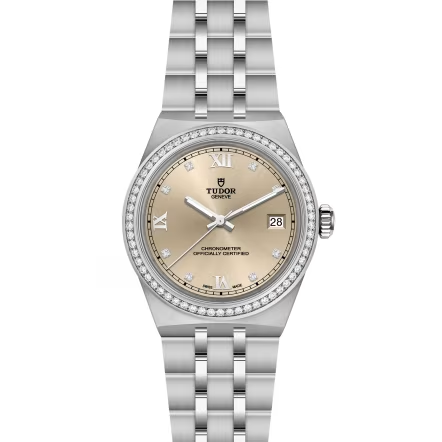
For this reason, before using water, steam, ultrasonic cleaning or any cleaning product, it is important to check that they are suitable for the piece and, if any gemstone seems loose or shows any anomaly, consult a specialist to check the setting.
When to take your watch for a professional service
Professional servicing makes it possible to detect problems that are not always visible.
A distinction should be made between mechanical servicing, which affects the movement, and cosmetic servicing, which focuses on the case, bracelet and finishes.
There is no single servicing interval that applies to all watches; the intervals depend on the manufacturer, the calibre, the watch’s age, how it has been used and the conditions it has been exposed to, so the official recommendations should be used as a guide.
Certain changes warrant a professional consultation, such as abnormal timekeeping deviations, a noticeable loss of power reserve, unexpected stopping, problems with the crown or pushers, visible damage, condensation or moisture ingress.
Knowing your watch’s characteristics, caring for it according to its materials and avoiding unnecessary interventions helps preserve both its performance and its appearance.
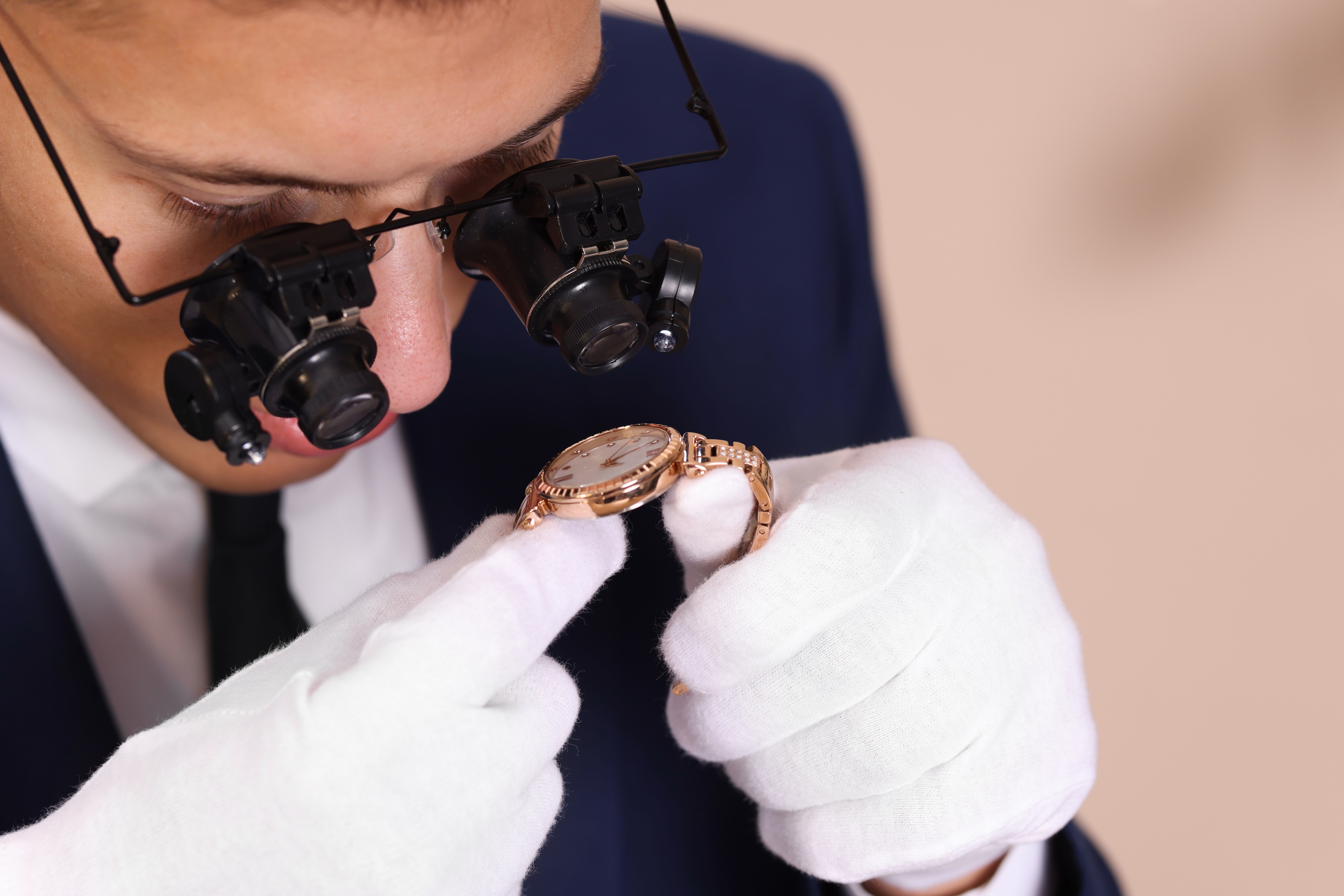
At The Red House, in Gibraltar, we have the experience and technical knowledge to advise you both on choosing a watch that suits your lifestyle and, on its care, and upkeep.
We invite you to visit us to discover our selection and receive personalised advice on the use, maintenance and care best suited to each piece.