Everything You Need to Know About the Watch Dial
The watch dial defines the aesthetic character, shapes the reading of the time and the way the functions are presented.
Understanding what the dial is and what information it can show helps you choose with judgement.
In this article you will discover the most common elements it can incorporate and the most notable dial types in luxury watchmaking.
What is the dial on a watch?
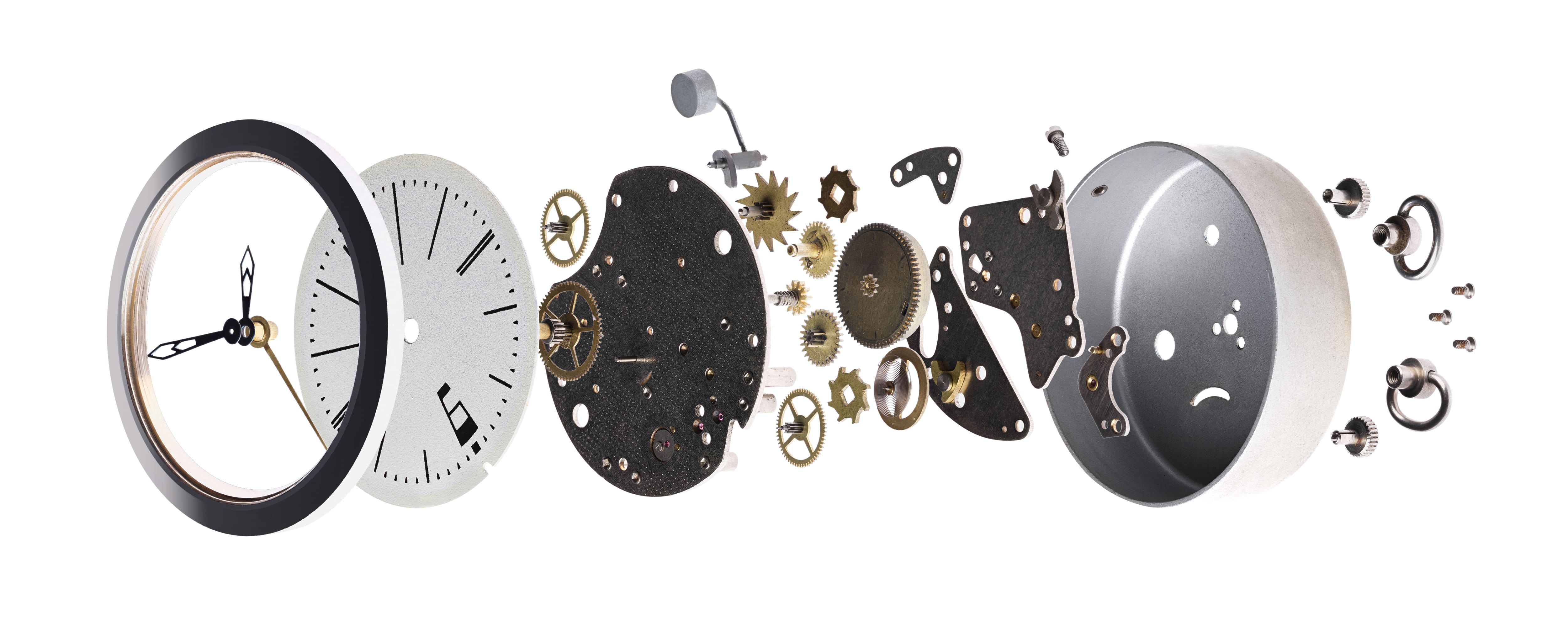
The dial is the surface beneath the crystal and above the movement, the visible surface on which the time is indicated and, where applicable, other information such as the date, seconds or a second time zone.
The components of a watch dial
To understand a dial, it is worth looking at it as a reading system.
Within that space it is decided what information appears, in what order it is perceived and how easily it can be interpreted.
Main elements that make it possible to read the time
Indices are the hour references that organise the reading of the time.
Sometimes they are shown as numbers, and at other times as markers, for example batons, dots, triangles or even a symbol characteristic of the brand.
Indices can be printed on the dial or applied in relief, adding greater visual depth.
The minute track marks the minute divisions and, when there is a central seconds hand, also serves as a reference for reading the seconds.
It is usually positioned on the perimeter of the dial or on an outer ring.
Additional complications on the dial
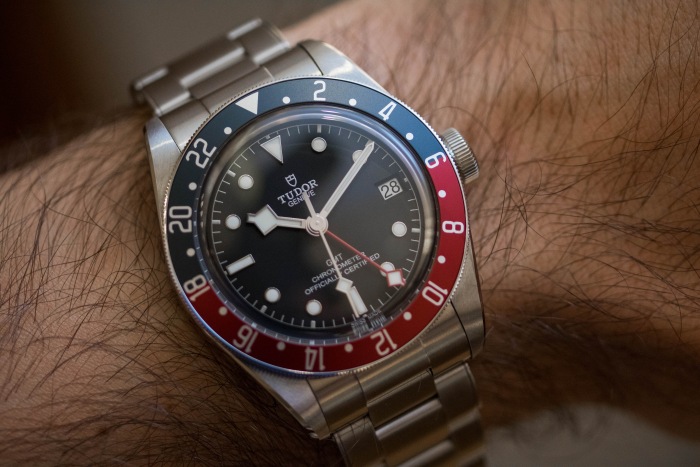
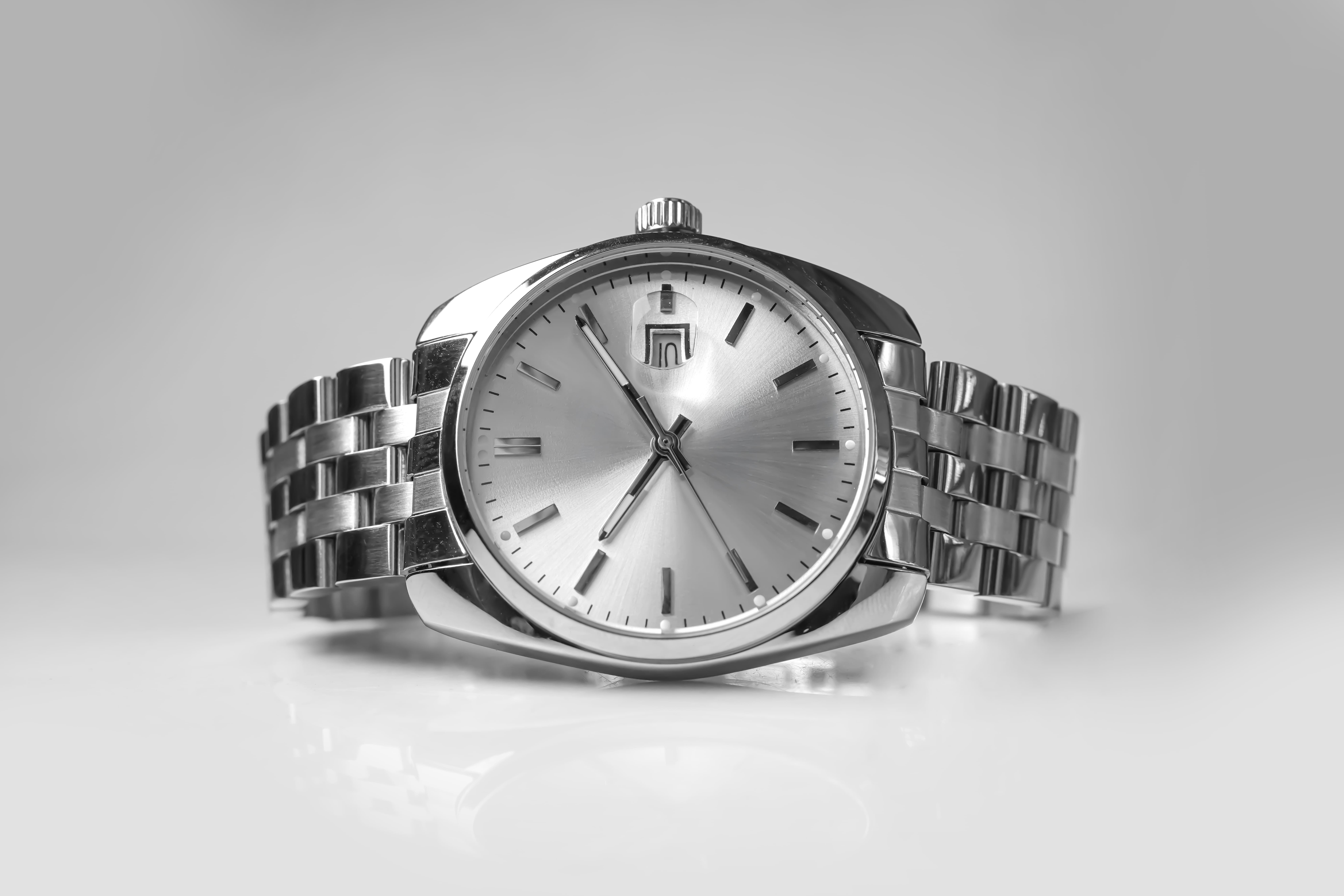
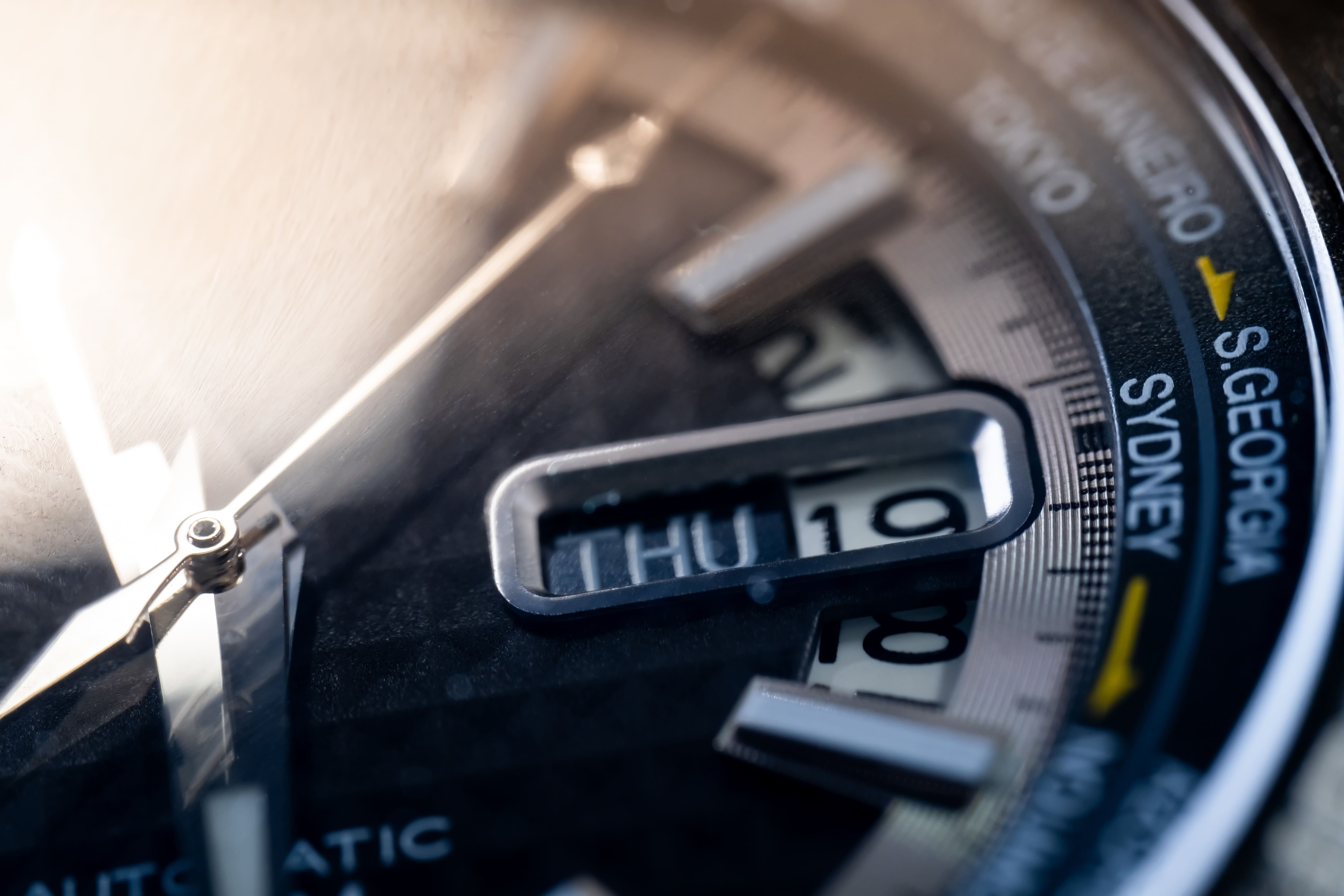
The date window, or date aperture, is an opening in the dial that shows the day of the month.
It is usually located at 3 o’clock or 6 o’clock and, in some models, is accompanied by a magnifying lens on the crystal to improve legibility.
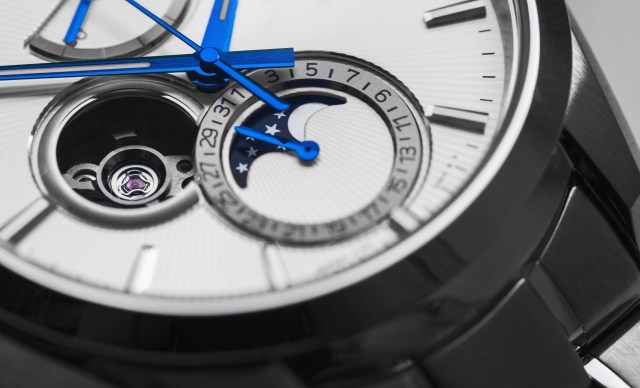
The most common indication is the date, although depending on the watch it may also show a big date, day of the week or month, and coexist with other indications such as power reserve or moon phase.
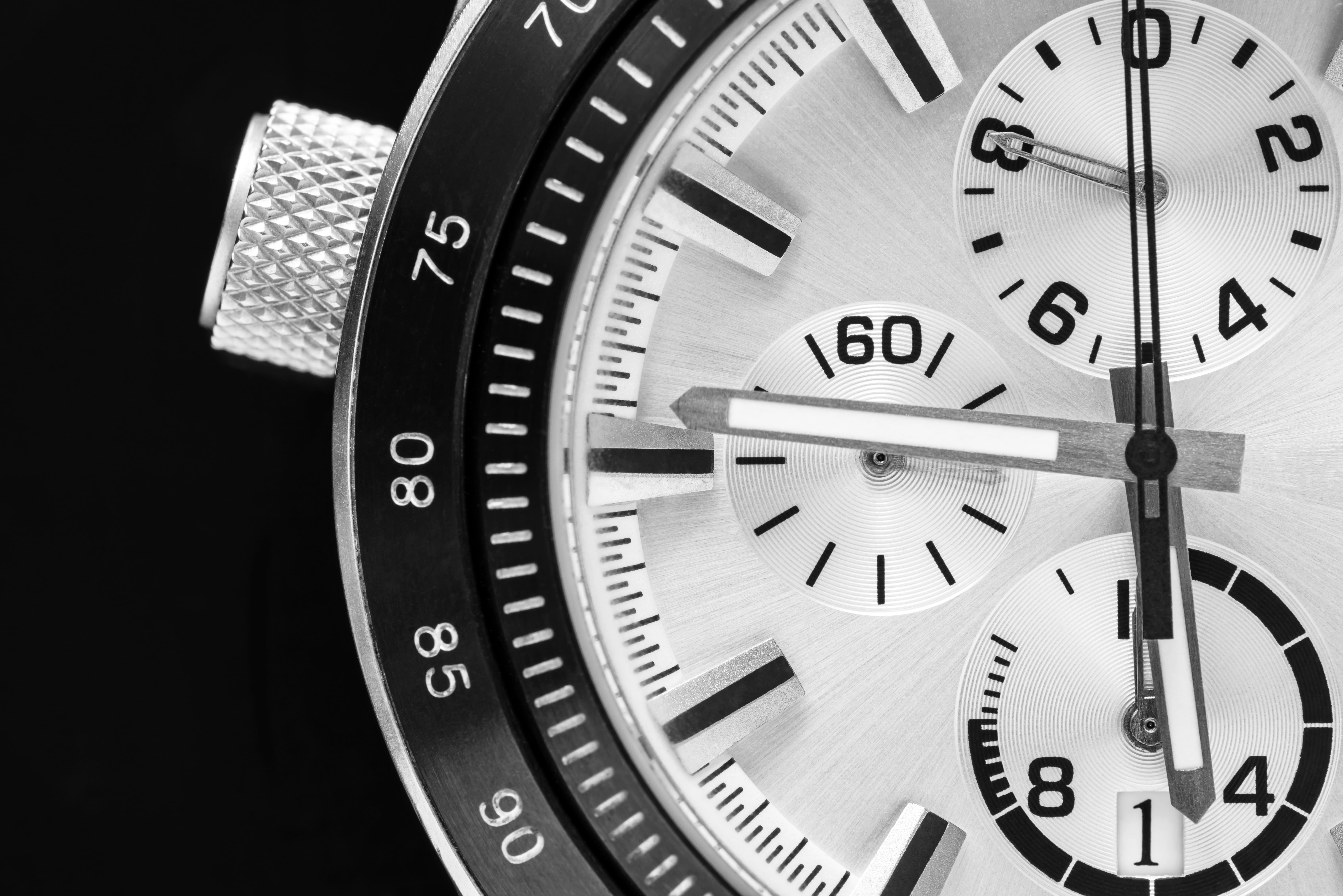
When the watch adds more functions, they are usually arranged so that reading remains clear, at that point sub-dials and registers appear, organising indications such as chronograph counters or the small seconds to measure times.
Identity and details
On the dial, visual identity is built through the manufacturer’s signature, the typography and the accompanying texts.
The signature places the watch within a particular watchmaking house and acts as a reference for origin and authenticity.
Dial types in haute horlogerie
Below, we present some of the most notable dial types in haute horlogerie.
Sunburst dial
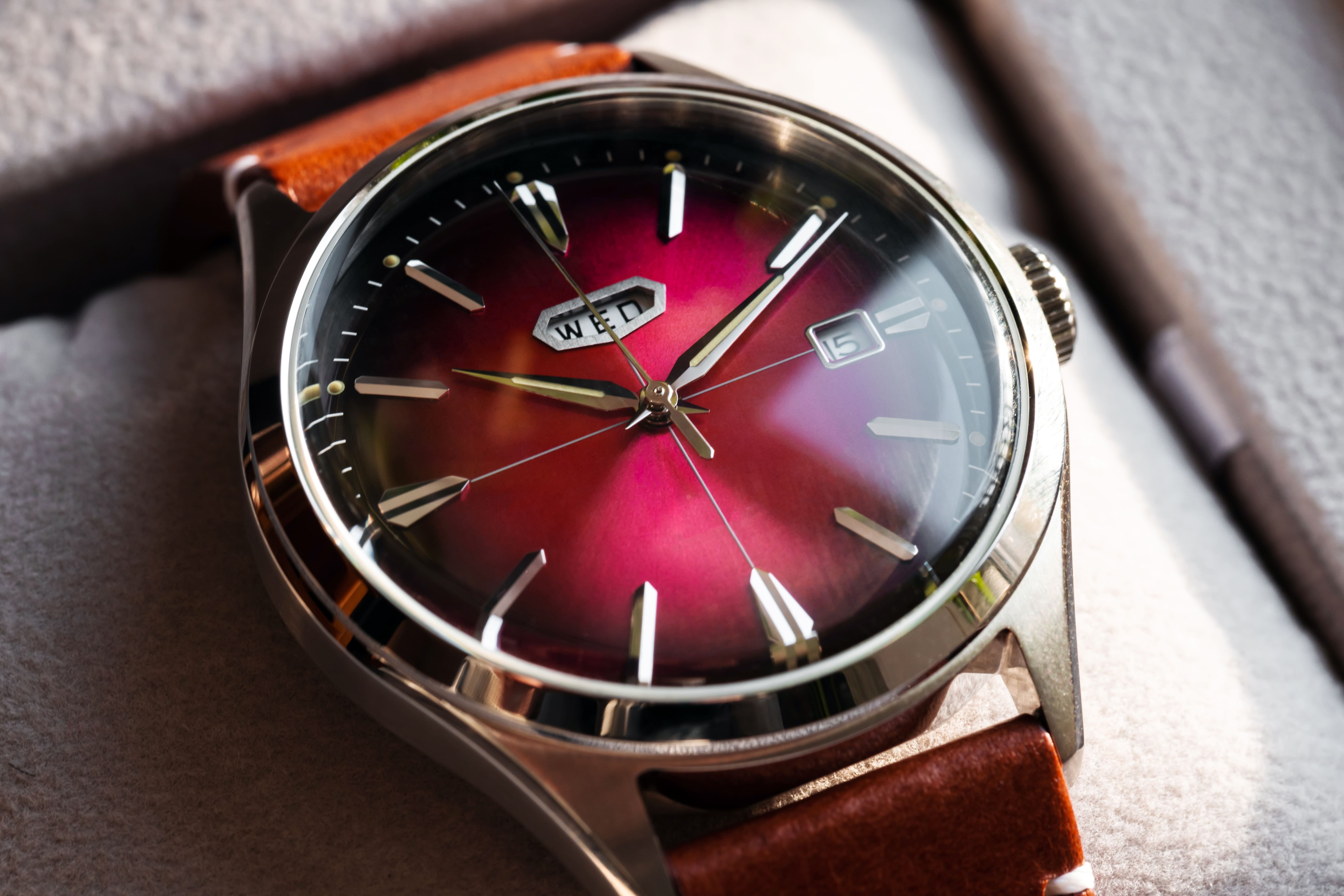
The sunburst dial, also known as the “sunray effect”, is identified by a radial brushing of very fine lines that originate at the centre of the dial.
Under direct light, the finish creates reflections that shift as you move your wrist, making the tone seem to change depending on the viewing angle.
This type of dial adds depth, dynamism and a sense of greater sophistication, as the light enhances the colour and emphasises the nuances of the finish.
Matte dial

It is an opaque surface, often with a fine texture that helps to avoid unwanted reflections.
This type of dial improves legibility in strong light or glare, which is especially useful in diving, field or military-inspired watches.
Enamel dial
The enamel dial is made by applying vitreous enamel, glass powder mixed with oxides that provide colour, onto a metal base.
It is then fired in a kiln to melt and fix it, usually in several very thin layers, with successive firings and a final polish that leaves a perfectly even surface. It is then fired in a kiln to melt and fix it, usually in several very thin layers, with successive firings and a final polish that leaves a perfectly even surface and a very characteristic shine.
It is a demanding process, the thermal cycles can cause micro-cracks, bubbles or slight variations in tone.
That is why it requires very precise execution and rigorous quality control.
Guilloché dial
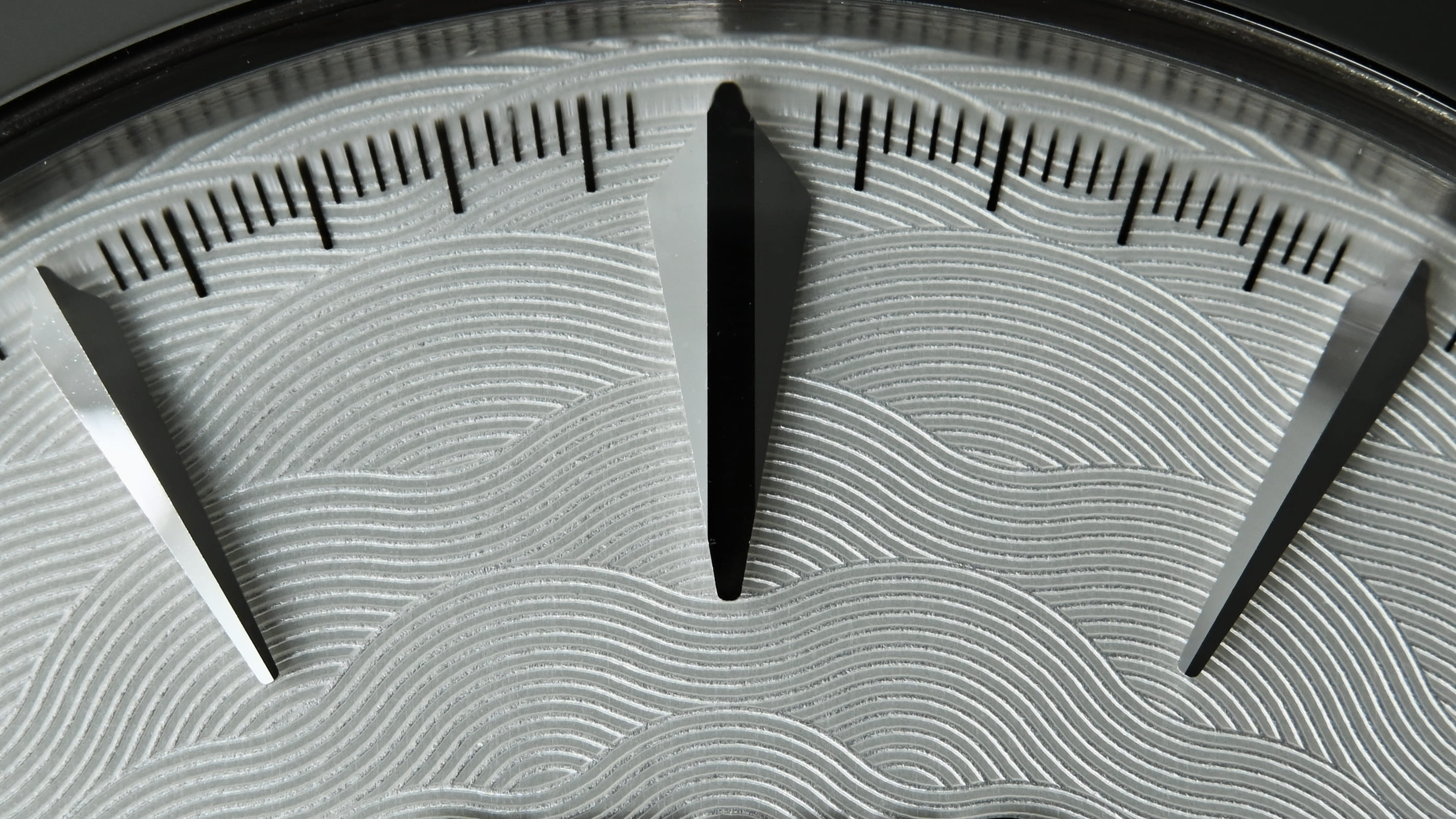
Guilloché is an engraved decoration with geometric patterns on the dial that adds relief and a very particular reflection of the light.
In haute horlogerie it is distinguished when the pattern is engraved into the metal base, with clean lines.
It is often organised into zones, for example a centre with one pattern and an outer ring with another.
Skeleton dial
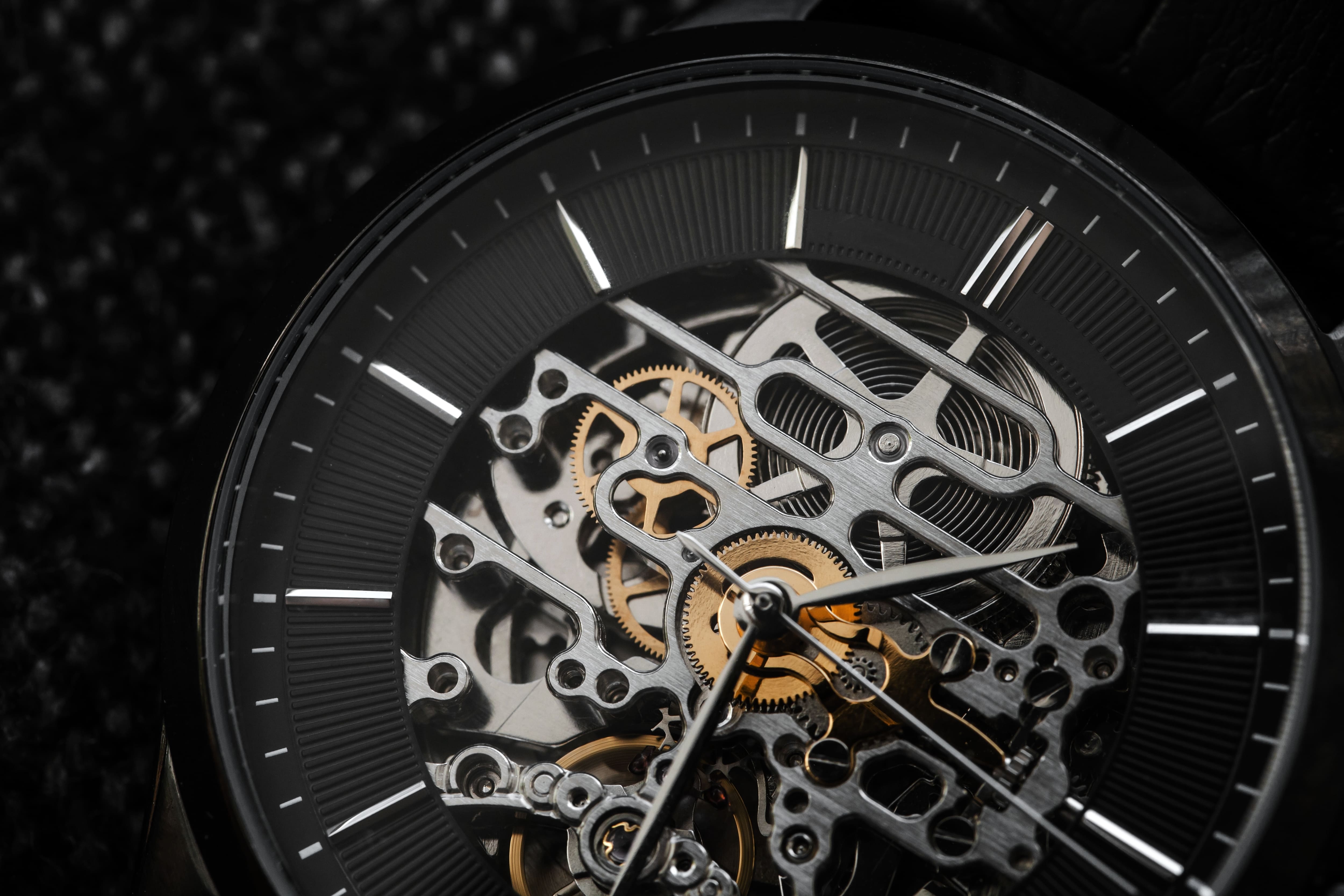
Skeletonised dials minimise the visible material on the dial to leave the movement on show.
Instead of a continuous surface, they reveal bridges, wheels and the architecture of the calibre, making the mechanics the star.
Open-heart dial
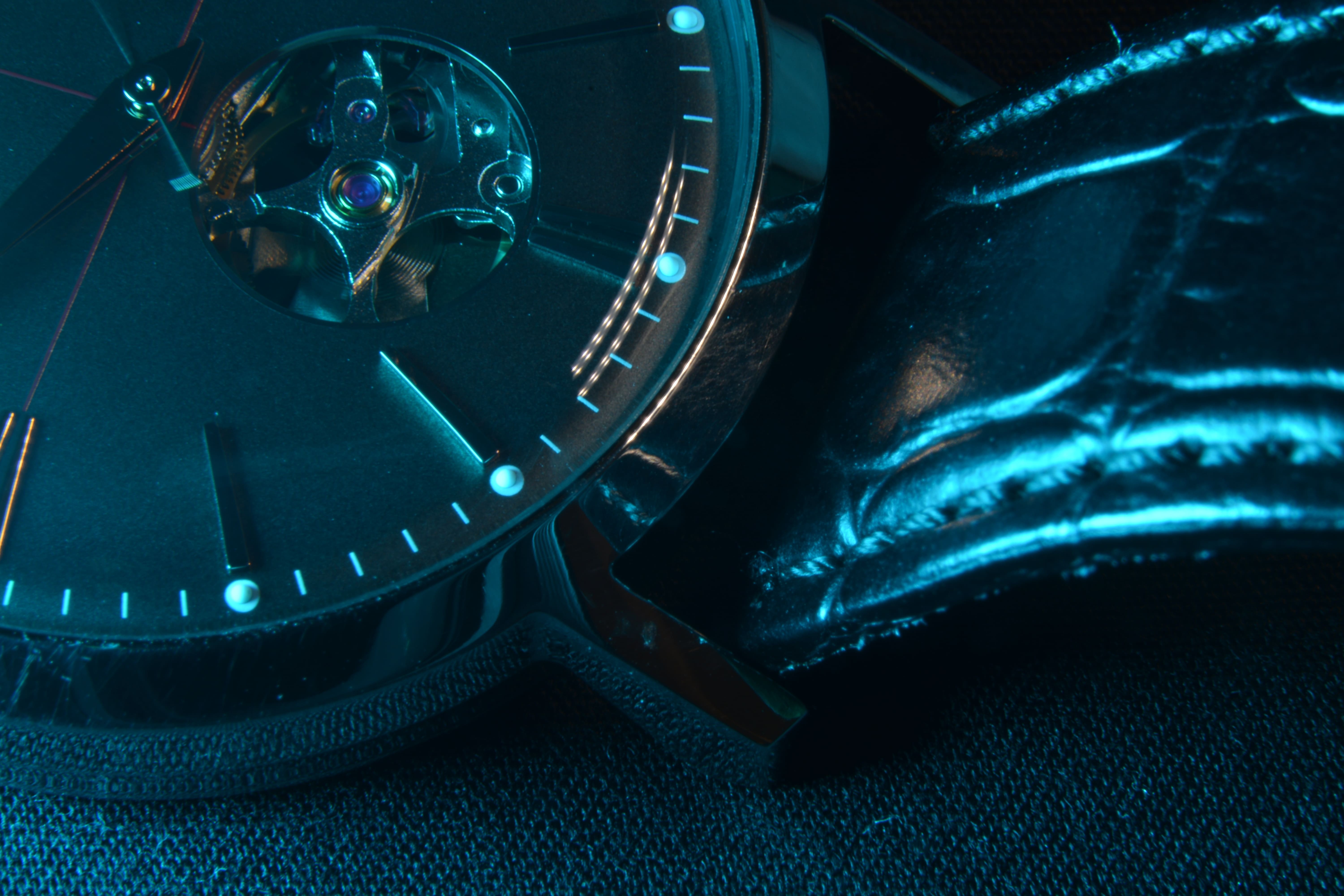
The open-heart dial maintains a traditional aesthetic, with indices, hands and a classic layout, but incorporates an opening, usually small and well integrated, that lets you see part of the movement in operation.
Visit our luxury watch retailer in Gibraltar, where you will find luxury watches that suit different lifestyles and personalities.