Common mistakes that damage your jewellery and how to prevent them
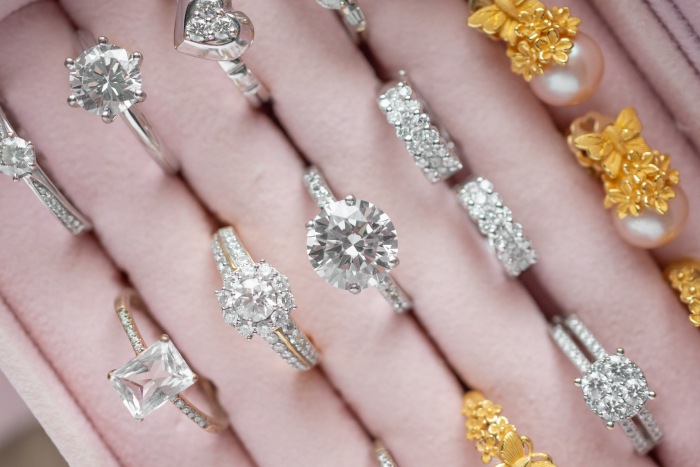
A piece of jewellery is not just an ornament. It can be an heirloom, a thoughtful choice, or a memory worth preserving. However, it’s often damaged by everyday oversights that are entirely avoidable. Knowing which habits deteriorate metals and precious stones helps preserve their appearance, structure, and meaning over time.
Applying cosmetics without removing them
Perfumes, sprays, creams, and oils often contain substances that harm finishes and gemstones. Alcohol, solvents, fixatives, and silicones affect the surface of metals and wear away surface treatments such as rhodium, especially common in white gold.
For pearls or emeralds, the damage can be even more apparent. These gems are particularly sensitive to chemicals and can become stained, lose their shine or dry out over time. It’s advisable to apply products, let them absorb completely, and only then put on your jewellery. This small habit greatly reduces the risk of damage.

Exposure to pool or seawater
Both chlorine and saltwater have a harmful effect on jewellery. Chlorine can deteriorate gold alloys, weaken soldering, and even dull the sparkle of diamonds if it builds up at the base of the setting. Salt, meanwhile, crystallises in hidden areas and over time can cause microfractures.
Even though noble metals like gold and platinum are durable, they are not immune to chemical corrosion. Harder stones like sapphires may withstand abrasion but are still vulnerable to salty or chlorinated environments. The best approach is to avoid wearing jewellery in pools or the sea and store it safely instead.
Wearing them while exercising
Wearing jewellery while working out, especially rings, bracelets or necklaces, is common—but riskier than it seems. Impacts, friction with equipment, or even acidic sweat can compromise both the shape and condition of the metal. Gold, being relatively soft, can bend easily. Stones, though hard, may loosen if the setting yields under pressure.
Some damage isn’t immediately visible, but it shows up over time as bent pieces, loose clasps, or displaced stones. Removing jewellery before physical activity is a smart decision that extends its lifespan.
Sleeping with jewellery on
Sleeping with necklaces, earrings or rings might feel harmless, but involuntary movement during the night has real consequences. Links become strained, clasps loosen, and mountings may shift unnoticed. This is especially risky with delicate items or complex settings, such as those holding emeralds or rubies.
Developing a nightly routine of removing and properly storing your jewellery not only protects it but also allows you to detect potential damage early.
Cleaning them improperly
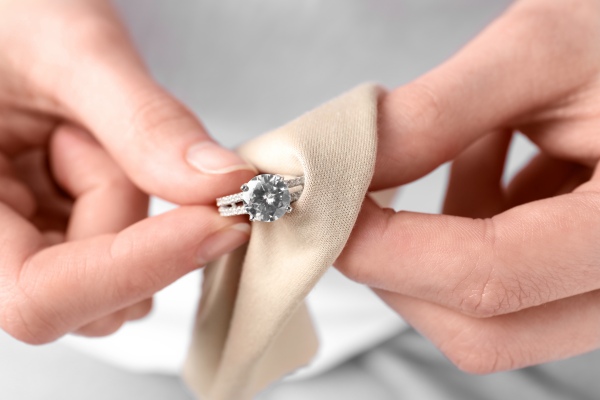
Not all home cleaning methods are safe. Though the internet is full of tips involving bicarbonate, vinegar or toothpaste, these products are often abrasive and end up damaging the surface of metals or gems. Even solid gold loses shine and texture with repeated use of these methods.
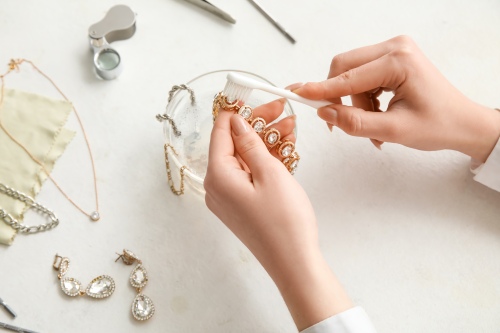
For regular care, lukewarm water, a few drops of mild soap and a soft-bristled brush are sufficient. Drying should be done with a lint-free cloth, avoiding moisture around the settings. Emeralds, due to their fragility and oil treatment, should not be submerged in water — a slightly damp cloth is the safest option.
Storing them without protection
Another common mistake is storing all jewellery together, without separation or protection. Constant contact between pieces, especially those containing hard stones like diamonds— results in scratches, marks, or deformations. This can happen even in closed boxes if the items are touching.
Each piece should be kept in its own individual compartment, lined with soft fabric or in separate pouches. It’s also advisable to avoid direct sunlight or heat exposure, as certain gemstones can be affected by temperature or UV rays.
Not checking settings and clasps
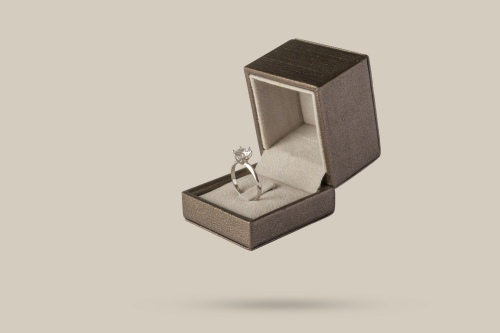
A ring or earring might appear intact, but if the stone is slightly loose or the clasp wobbly, the risk of losing it increases. In pieces with diamonds or sapphires, vibrations, impacts, or even everyday wear can loosen the setting over time.
Manually checking your settings and visiting a jeweller if any movement is detected is a simple and highly effective preventive habit.
Jewellery in Gibraltar
The Red House is a jewellery in Gibraltar offering a wide selection of 18Kt gold jewellery in yellow, rose and white tones, adorned with precious stones such as diamonds, rubies, sapphires and emeralds. You can visit us at 68–70 Main Street, Gibraltar, where we provide a carefully curated selection and personalised attention.