The different cuts of diamonds
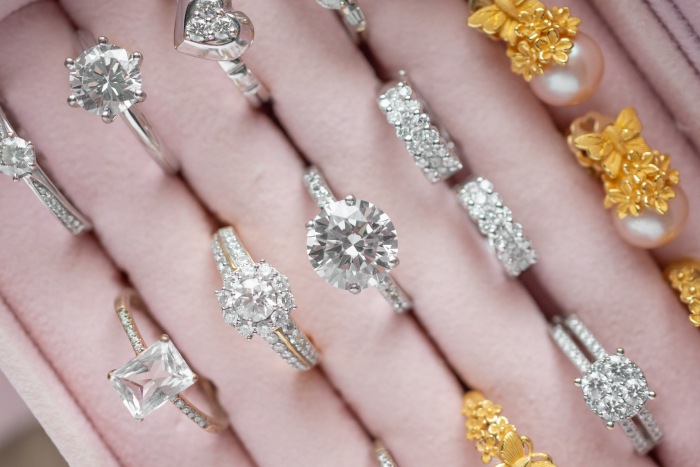
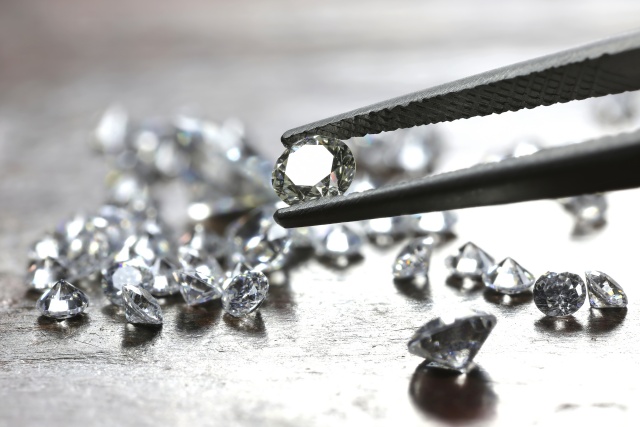
In gemmology, a diamond cut is the process of transforming a rough stone into a finished gem through precise faceting. It is not simply about the outer outline, which is the shape, but about the proportions, symmetry and polish that determine how light moves through the stone.
A well-executed cut enhances brilliance, fire and scintillation, giving the diamond a lively appearance. Even high-quality stones can look dull if the cut is poor. Understanding the range of cuts helps to appreciate both the craftsmanship and the artistry behind fine jewellery.

Throughout history, cutters have developed a wide variety of styles, each with its own light performance, aesthetic appeal and background.
Brilliant cut
The brilliant cut remains the most popular choice. With 57 or 58 carefully arranged facets it is designed to maximise light return and create the sparkle most associated with diamonds. Whether set in a simple solitaire or a more elaborate design, this cut has a timeless charm that works in almost any piece.
Princess cut
The princess cut is favoured for its clean modern lines. It features a square profile with sharp angles and was introduced in the 1960s. This style combines strong light performance with a crisp appearance and its proportions can make the stone appear larger than its actual weight in carats.
Emerald cut
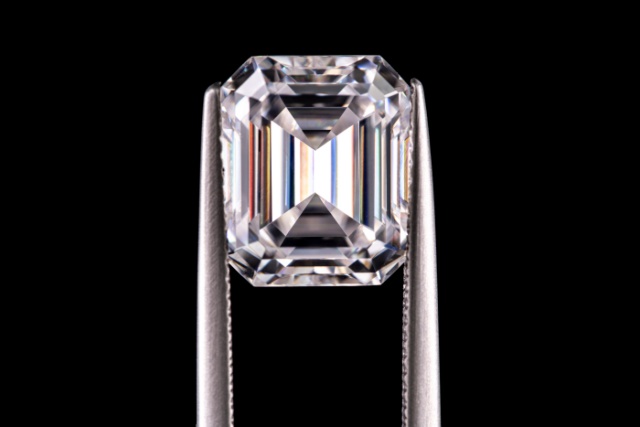
The emerald cut is known for its understated elegance. Its broad step cut facets produce long flashes of light and highlight the clarity of the diamond rather than focusing on sparkle. Originally developed for emeralds, it lends a refined and architectural character to diamonds.
Oval cut
An oval cut offers an elongated shape that can make the stone look bigger while also flattering the hand. It retains much of the brilliance of the round brilliant yet offers a distinctive twist, making it a versatile choice for engagement rings and other fine jewellery.
Cushion cut
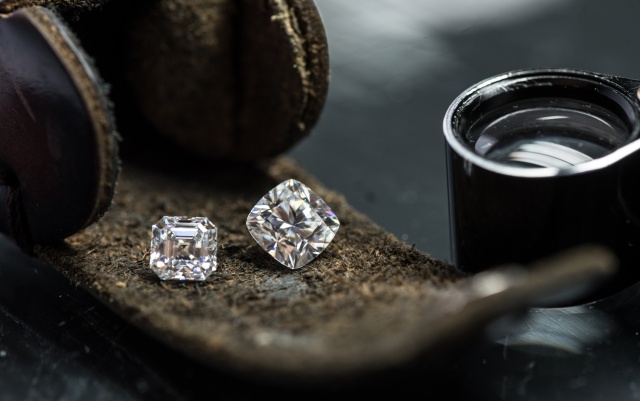
The cushion cut has soft rounded corners and a gentle outline. With a history spanning over two centuries, early examples produced a subtle glow while modern versions are designed to maximise sparkle without losing the romantic vintage feel that defines the style.
Pear cut
The pear cut, sometimes called the teardrop, blends a rounded end with a pointed tip. When worn in a ring it elongates the fingers, and in a pendant, it creates a graceful drop. A well-proportioned pear-shaped diamond offers an elegant look with lively sparkle.
Marquise cut
The marquise cut has an elongated body and pointed tips that enhance the perceived size of the stone. Associated with the court of Louis XV, it brings a sense of drama to both traditional and modern designs alike.
Asscher cut
The asscher cut rose to prominence during the Art Deco period. Square with deep step cut facets, it draws the eye inward to create an appealing sense of depth. Its precise geometry gives it a strong presence, particularly in settings that showcase its symmetry.
Heart cut
The heart cut is one of the most recognisable symbols in jewellery. Based on the facet arrangement of the round brilliant, it demands exceptional skill to achieve perfect symmetry. Often chosen for romantic occasions, it works beautifully in both rings and pendants.
Radiant cut
The radiant cut combines the rectangular outline of an emerald cut with the faceting pattern of a brilliant cut. This produces intense sparkle while its cropped corners help protect against chipping, making it a practical and attractive option.
Baguette cut
The baguette cut is long and narrow with step cut facets and a sleek understated appearance. Often used as side stones to frame a central gem, baguettes add elegance and structure to many designs, especially those influenced by the Art Deco era.
Trillion cut
The trillion cut has a triangular shape and can range from playful to bold depending on its proportions. With between 31 and 50 facets it can deliver surprising sparkle. It is often used as a side stone but also makes a striking choice as a centrepiece.
Rose cut
The rose cut dates back to the 16th century and has a flat base topped with a domed surface covered in triangular facets. It produces a soft glow rather than intense flashes of light, giving it an antique charm that appeals to lovers of historic styles.
Old European cut
The old European cut was the predecessor of the modern round brilliant. With a higher crown, smaller table and larger culet, it produces broader and warmer flashes of light. Hand cutting means each stone has slight variations that add character.
Old mine cut
The old mine cut has a squarish outline with rounded corners and was common in the 18th and 19th centuries. Designed to preserve as much of the rough diamond as possible, it still delivers a pleasing play of light and remains sought after for vintage inspired designs.
How to Choose the Right Diamond Cut
Every cut offers a different character and effect on the stone. Cuts like the round brilliant, oval and radiant are ideal when maximum sparkle is the goal. Step cuts such as the emerald and asscher highlight clarity and a sense of refinement. Antique styles including the old mine and rose cut bring a distinctive charm that recalls earlier eras.
Ultimately, the right cut is the one that enhances the diamond’s natural qualities and suits the wearer’s style, creating a piece to be treasured for years to come.
Diamond Jewellery in Gibraltar
If you are planning a shopping trip to Gibraltar and wish to find exquisite pieces to enrich your jewellery collection, we warmly invite you to visit The Red House, located at 68–70 Main Street, Gibraltar. Discover our exceptional creations of diamond jewellery.