The bezel of a watch
The bezel is one of those components that can seem secondary until you learn to look at a watch closely. It is located on the upper part of the case, surrounding the crystal, and its primary purpose is clear: to hold, protect and frame the reading area. It can measure time, assist during a dive, indicate another time zone, calculate speed, provide technical information or completely transform the presence of the watch on the wrist.
Its importance lies in the combination of function and proportion. That is why the bezel deserves more attention than it usually receives. In many watches, it explains better than any other element what the piece was designed for.
What is the bezel?
The bezel is the outer ring that surrounds the watch crystal. In most cases it is circular, although on square, rectangular, tonneau or oval cases it adapts to the geometry of the design. Its position makes it a transition between the case, the crystal and the dial.
From a construction point of view, it can help to secure the crystal, close the upper part of the case and protect one of the most exposed areas of the watch. From a functional point of view, it can incorporate scales, numerals, luminous markers or rotating systems. From an aesthetic point of view, it defines much of the visual character of the piece.
From protective watch component to measuring instrument
Originally, the bezel had a mainly practical function: to protect the crystal and reinforce the upper closure of the case. As the wristwatch developed into a professional tool, this outer ring began to gain prominence. It was the perfect place to add information without overloading the dial.
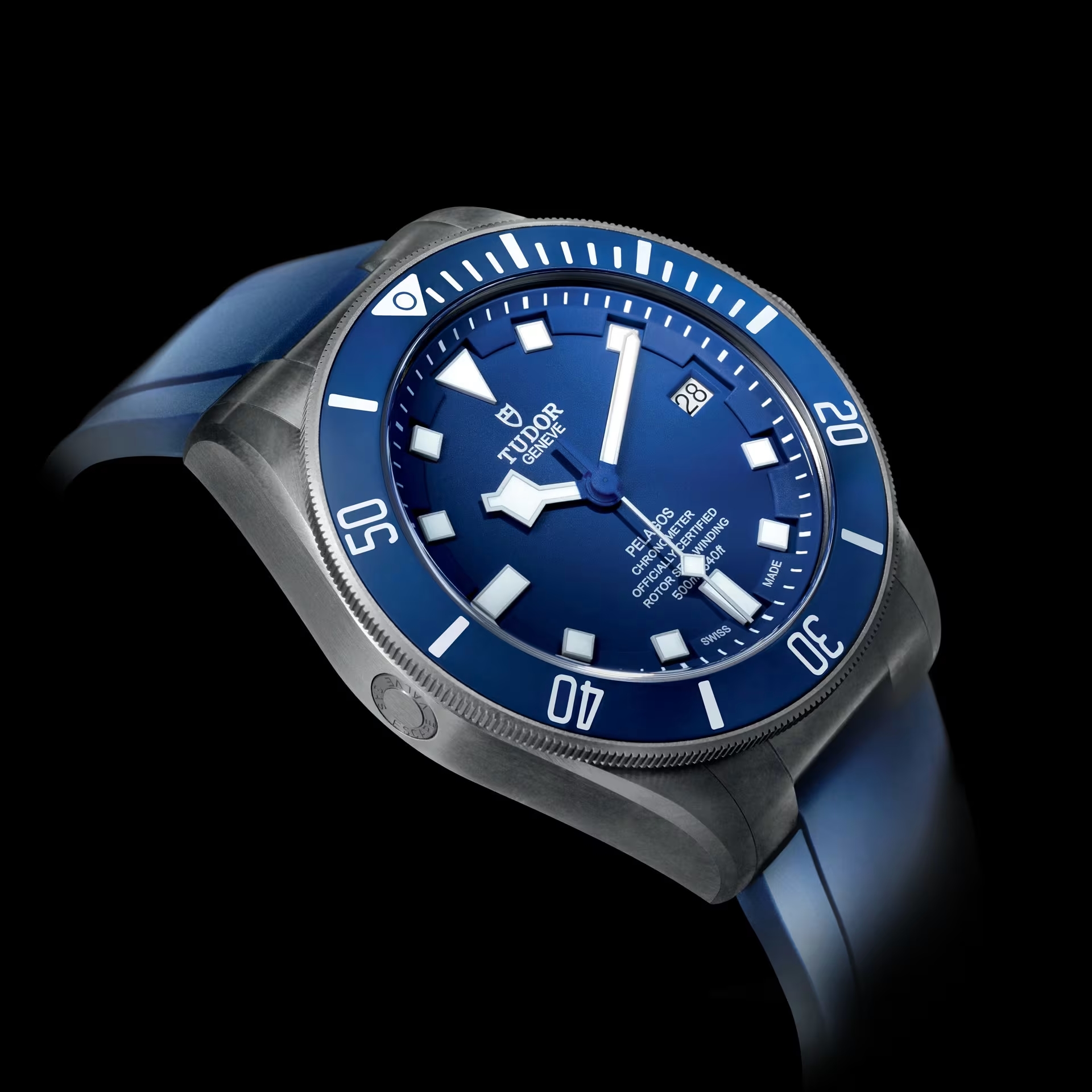
In diving watches, the bezel became a simple way to measure elapsed time underwater. In travel watches, it made it possible to read a second time zone. In chronographs, it housed scales for calculating speed, distance or heart rate. In watches linked to aviation, it even functioned as a circular slide rule.
The evolution of the bezel neatly summarises the history of instrumental watchmaking: a component created to protect ultimately became a surface for reading, calculation and control.
Main types of bezel in watchmaking
The shape of the bezel greatly changes how a watch is read. Some are designed simply to frame the crystal discreetly; others add scales, rotating systems or precious stones. It is therefore useful to distinguish between them, although in practice many designs combine function, aesthetics and character.
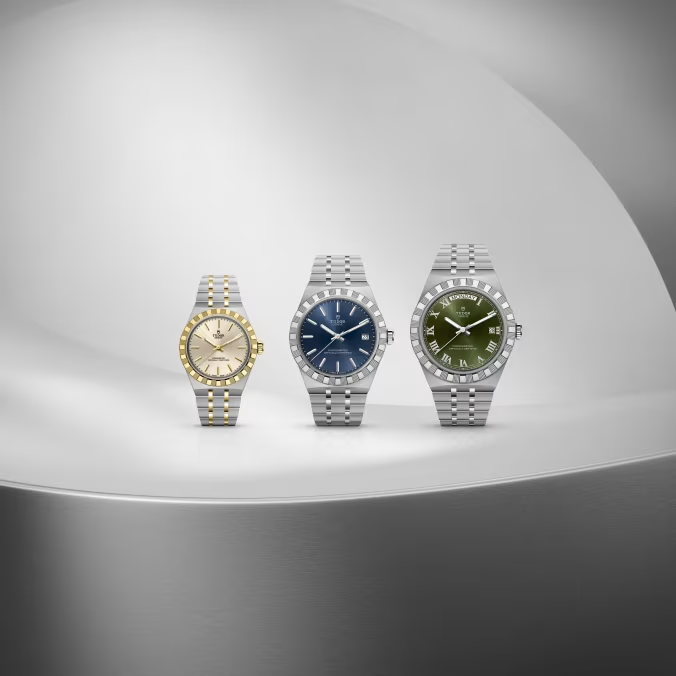
The smooth bezel is the most restrained, while the fluted bezel, by contrast, plays more with light. Its grooves create changing reflections around the crystal and give the outline of the watch greater presence.
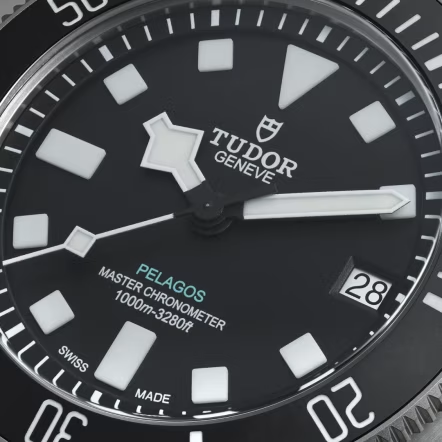
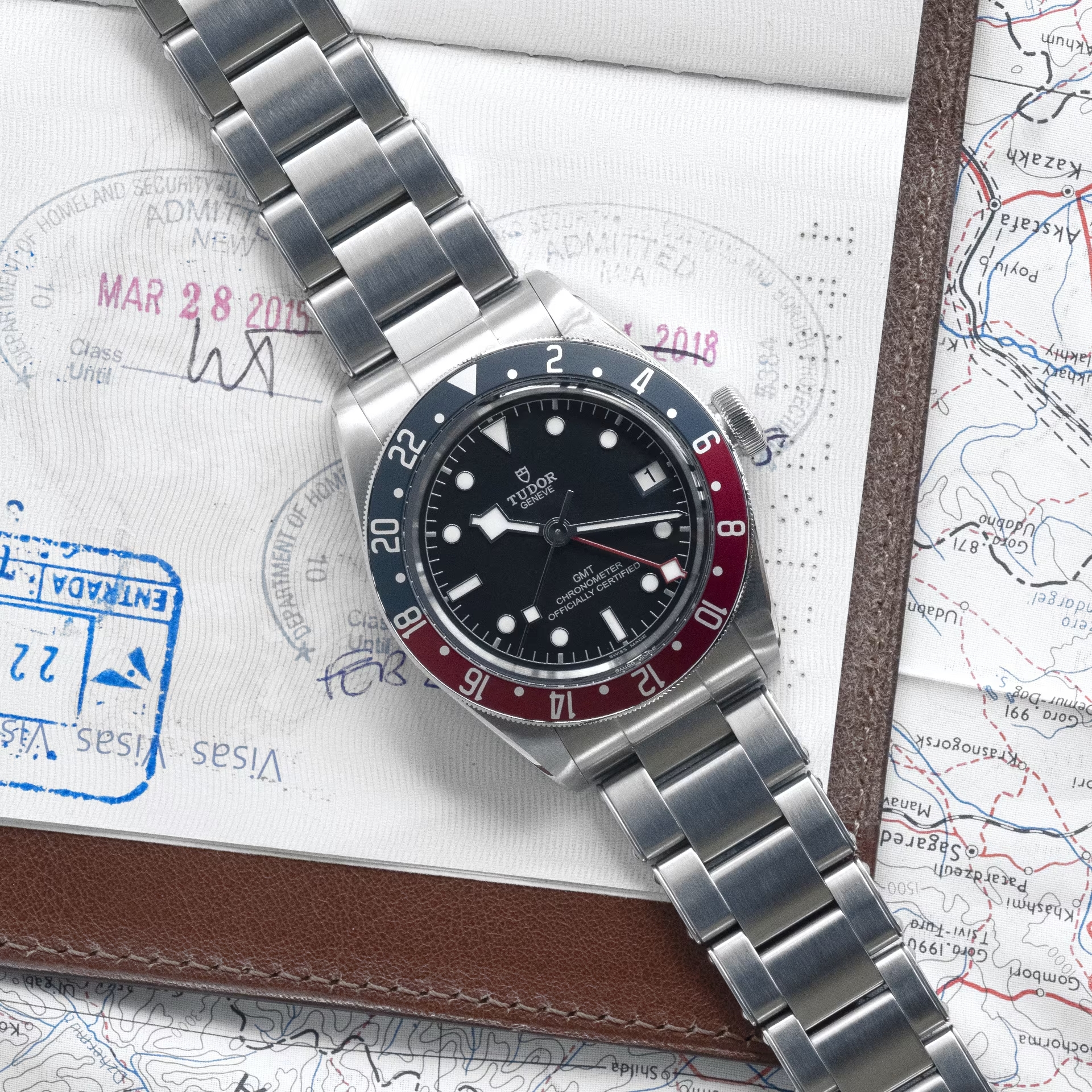
When the bezel incorporates a scale, the reading becomes more functional. The diving bezel usually marks from 0 to 60 minutes and allows elapsed times to be monitored quickly. The GMT bezel uses a 24-hour scale to track another time zone together with an additional hand. The tachymeter bezel, common on chronographs, is used to calculate average speed over a known distance, although its value today is almost as visual as it is practical.
There are also bezels associated with more specific uses. The pulsometer makes it easier to read beats per minute, while the telemeter allows distances to be estimated from the difference between seeing and hearing an event, such as lightning and thunder. These scales are less common, but they show the extent to which the bezel can turn a watch into a small calculating tool.
At the most ornamental end is the gem-set bezel, where diamonds or other precious stones surround the crystal and turn the outline of the watch into an architecture of light.
Materials and finishes of bezels in fine watchmaking
The material of the bezel influences the resistance, shine, colour and the way in which the watch ages. It also determines the type of finish that is possible, which is why this part of the watch requires such precision. It is highly exposed to view, and any irregularity is quickly noticed.
In metal bezels, steel provides a more technical and solid feel, with polished, satin-brushed or engraved finishes depending on the character of the piece. Gold, on the other hand, introduces a warmer and more ornamental presence, especially when used in fluted, polished or gem-set bezels. Aluminium allows for vivid colours and a lighter reading, although it may show marks or lose intensity over the years; in vintage-inspired watches, this ageing can form part of its appeal.
Ceramic occupies an important place in contemporary watchmaking thanks to its hardness, scratch resistance and colour stability. It offers a more modern appearance.
The finish ultimately defines the visual quality of the bezel. A polished finish must preserve clean edges; a brushed finish needs a consistent direction; a fluted finish requires rhythm and precision in every groove.
How can the bezel change the presence of a watch so much?
The bezel has a direct influence on how the size of a watch is perceived. Two 40 mm pieces can look very different. One with a thin bezel and wide dial will appear more open. Another with a wide bezel and prominent scale will seem more compact, technical and robust.
It also changes the intention of the design. A smooth bezel favours a sober reading. A diving bezel suggests practical use and safety. A GMT bezel speaks of travel. A tachymeter bezel evokes speed and timing. A gem-set bezel shifts attention towards light, brilliance and a jewellery dimension.
This is one of the keys to watch design: diameter matters, but the bezel can make a watch appear more elegant, more sporty, more technical or more ornamental without altering its actual size.
Luxury watches in Gibraltar
The Red House is a retailer in Gibraltar for the finest Swiss watch brands. You can find us at 68-70 Main Street and discover classic proposals alongside more modern and sporty pieces, with a wide variety of styles for men and women.