Essential advice for maintaining automatic watches
An automatic watch is built to last, but its performance largely depends on how well it is cared for. Unlike quartz models, these mechanical timepieces need certain routines to preserve their accuracy and reliability. In this article, you’ll find practical tips to help keep your watch in top condition over time.
Wear the watch regularly
The mechanism of an automatic watch is powered by wrist motion. Wearing it frequently helps maintain the internal lubrication that keeps the components running smoothly. The warmth from the body also plays a role in preserving the oils inside the movement.
For those who rotate between different watches or own several models, it’s important not to let any of them remain inactive for too long. In such cases, winding the watch by hand every couple of weeks, typically 20 to 30 turns, is recommended. A watch winder can also simulate wrist motion to keep the mechanism active while the watch is not being worn.

Know the power reserve
Each automatic model comes with a defined power reserve, usually between 40 and 72 hours. This figure indicates how long the watch will keep ticking without motion. Being aware of this allows you to prevent unnecessary stops or manual resets.
Be careful when setting the time and date
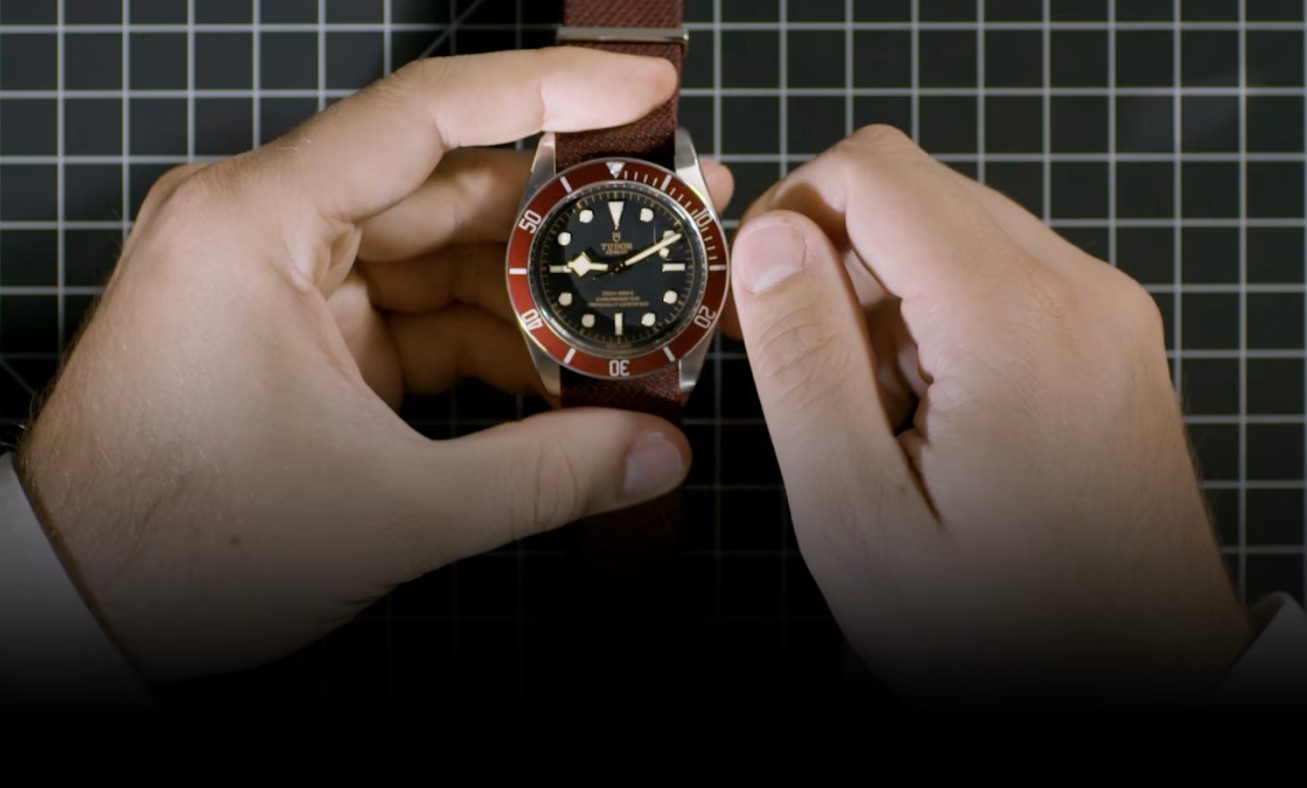
Some watches begin changing the date during nighttime hours, generally between 9 PM and 3 AM. Adjusting the date manually during this window can strain the movement. To avoid this, it’s best to move the hands outside this range, to a neutral position like 6 AM or 6 PM, before setting the date.
Avoid knocks and shocks
Automatic movements are delicate. They are not intended for intense physical activity or repeated contact. Sports, manual labour or simply resting the wrist heavily on a desk can eventually lead to internal shifts or loss of accuracy. When possible, it’s advisable to remove the watch before exposing it to shocks or vibrations.
Protect it from temperature changes
High temperatures may thin the lubricants and cause them to spread unevenly. In contrast, low temperatures can make them too dense to function properly. Rapid changes between hot and cold environments can also result in condensation inside the case, which can damage the movement. Situations like saunas, hot showers or extremely cold conditions should be avoided when wearing an automatic watch.
Keep it away from magnets
Magnetism affects the accuracy of mechanical watches. Household objects like smartphones, wireless speakers, or induction cooktops can cause interference. If the watch suddenly gains or loses time, it might have become magnetised. A watchmaker can easily demagnetise the piece and restore its precision.
Understanding water resistance
Not all watches are equally protected against water. A 3 ATM rating (30 metres) means resistance to splashes only. At 5 ATM (50 metres), light contact with water is acceptable, like handwashing. From 10 ATM (100 metres) onwards, swimming or surface-level water activities are permitted, though diving is excluded.
Seals and gaskets degrade over time, especially in watches that are often exposed to water. During routine maintenance, it’s advisable to check whether the waterproofing remains intact.
Clean the watch properly
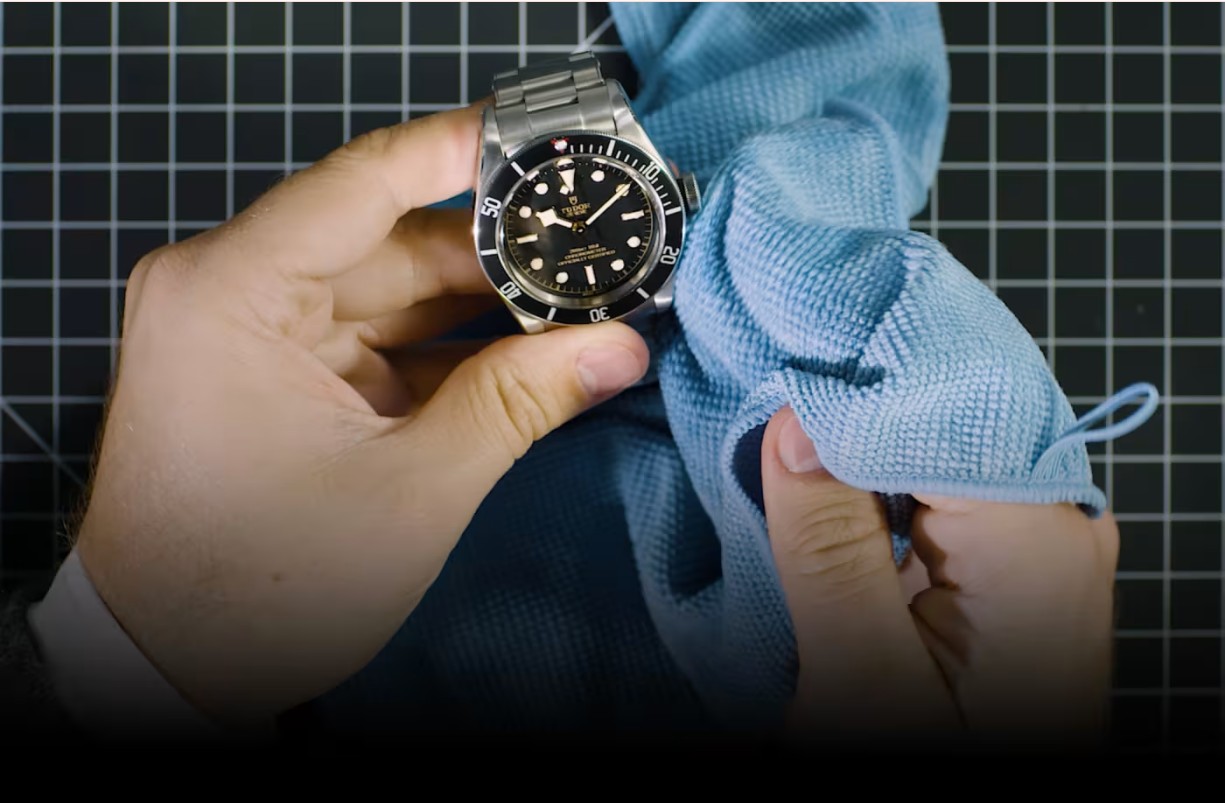
Dirt, sweat and dust can accumulate on the case or bracelet with daily use. After wearing, especially in warm conditions, wiping the surface gently with a soft cloth helps preserve both the finish and functionality.
When exposed to seawater or chlorinated pools, rinsing the watch with fresh water and drying it carefully is recommended. No cleaning agents should be used. Always ensure the crown is properly secured before cleaning.
Schedule maintenance with a technician
Like any mechanical instrument, a watch needs occasional servicing. Every four to seven years, a professional inspection should be carried out. This involves disassembly, cleaning, lubrication, recalibration and, if necessary, replacement of worn components. In water-resistant watches, pressure tests are also part of the process.
Neglecting this maintenance can lead to more complex and costly issues later on.
Pay attention to warning signs
Even with proper care, wear can show up in small ways. Irregular timekeeping, unexplained stoppages, visible condensation or resistance during winding may point to internal problems. Clicking sounds, difficulty with the date mechanism or a loose crown are also worth investigating. Addressing these early helps avoid major complications.
Watch Shop in Gibraltar
If you are looking for luxury watches in Gibraltar, at The Red House we offer a carefully selected range of Tudor and Rolex timepieces, with expert advice and personalized service. Our team will be delighted to advise you and help you find the perfect watch, whether it is your first purchase or you are looking to add an exceptional piece to your collection.