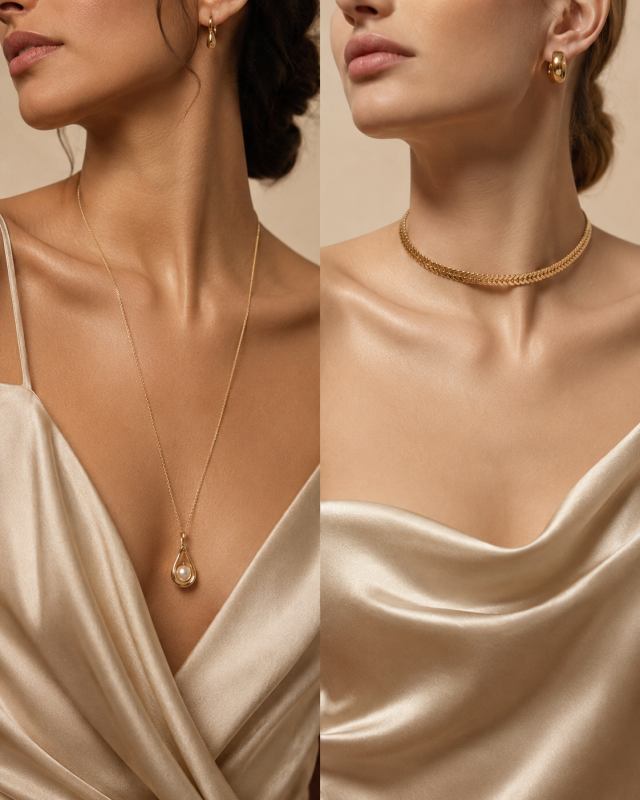
The most valuable gemstones in Jewellery
The value of a gemstone lies in its rarity, geological complexity and the role it plays in fine jewellery today. Actually, the attention of collectors and specialist jewellers is shifting towards stones with distinctive identities, supported by consistent demand and a recognised presence in the world of luxury.
This article brings together the most sought-after gem types of the moment, selected for their natural scarcity, prestige and relevance in the universe of high-end jewellery.
Diamond
The diamond continues to hold its place as one of the most highly prized gemstones in the world. Its exceptional hardness, near-total transparency and unmatched brilliance make it a benchmark in high-end jewellery.
Its formation demands extreme pressure and temperature, which limits its availability and reinforces its exclusivity. Present in pieces that mark personal milestones and legacies, the diamond retains its appeal across generations. It needs no introduction: its value lies in what it takes to form and what it communicates when worn.

Ruby

Ruby is among the rarest of all gemstones. Its red colour, caused by traces of chromium in corundum, has for centuries symbolised intensity and permanence. With a hardness second only to diamond, it withstands both physical wear and symbolic weight over time. The ‘pigeon blood’ tone is the most prized, especially when sourced from historic deposits such as Burma. Its rarity surpasses that of sapphire and emerald, and its presence in jewellery that reflects connection, protection or desire places it among the most sought-after stones in fine jewellery.
Sapphire
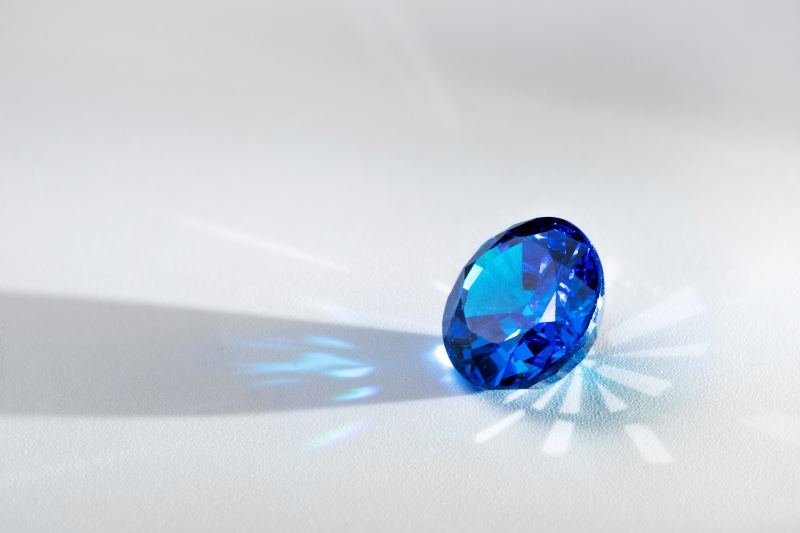
Sapphire is one of the most valued gemstones in fine jewellery. Its intense blue colour, especially in stones from Ceylon, sets a standard that remains difficult to match. There are also pink, yellow and green varieties used in designs with a more defined personality.
Its value depends on tone, clarity and origin. Over time, it has been associated with focus, fidelity and protection, reinforcing its role in meaningful pieces. Its place in rings, pendants and legacy jewels keeps it firmly established in the world of high-end jewellery.
Emerald
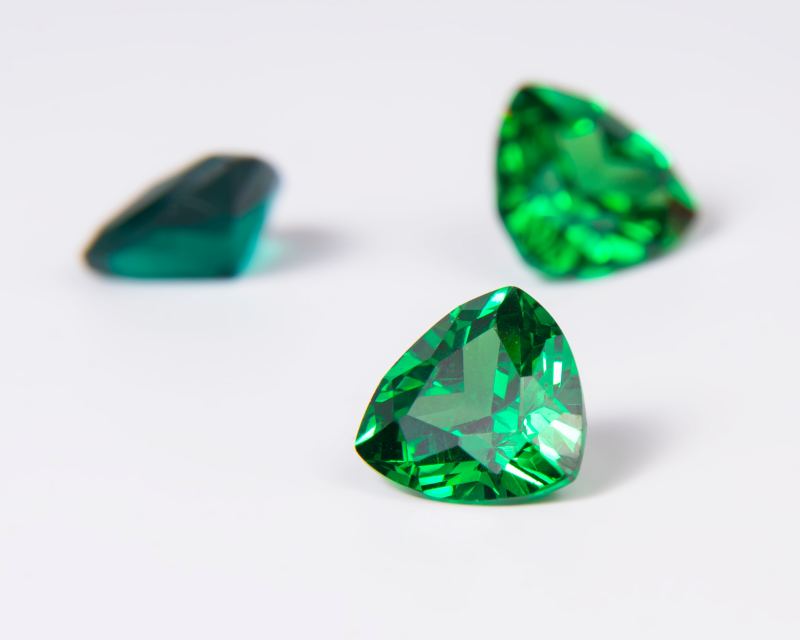
The value of emerald becomes evident the moment its colour appears: a saturated green with bluish undertones, deep and hard to find. Its natural origin, in areas such as Colombia or Zambia, has a direct impact on how it is assessed. Unlike other gemstones, inclusions are part of its identity and do not reduce its worth as long as the stone remains structurally sound. Historically linked to knowledge, renewal and protection, it continues to appear in jewellery that speaks as well as adorns.
Alexandrite
Alexandrite is notable for a phenomenon rarely seen in gemstones: it changes colour depending on the light. It appears green in natural daylight and shifts to reddish tones under warm light, giving it a unique identity. This optical effect results from a very specific combination of elements and geological conditions, explaining its rarity. Complete and balanced colour change is difficult to find. Stones from the Urals are especially valued for their intensity. This shifting character, combined with its genuine scarcity, gives alexandrite a distinct place in the most refined jewellery.
Red Beryl
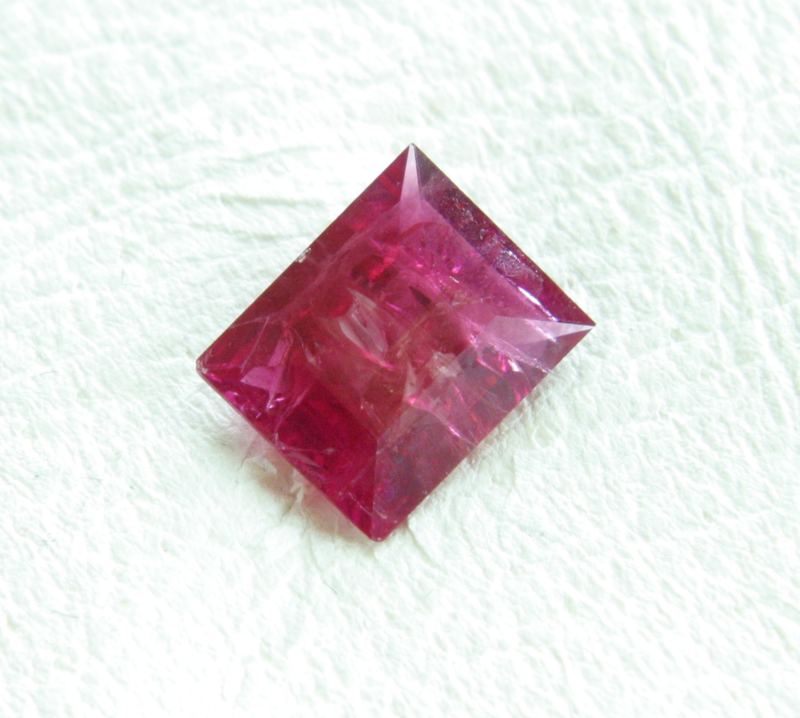
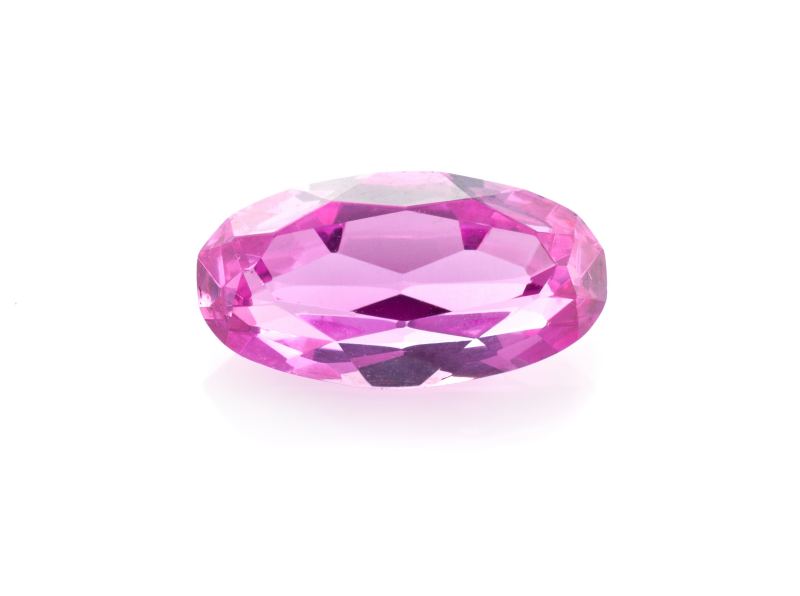
Within the beryl group, red beryl is the rarest variety discovered to date. Its raspberry hue with violet undertones comes from manganese, and it forms only in very specific geological environments, such as those found in Utah. Well-formed natural stones are extremely uncommon, and most show inclusions that require expert cutting. Its rarity, limited size and the complexity of its cutting place it in a reserved category within high jewellery.
Musgravite
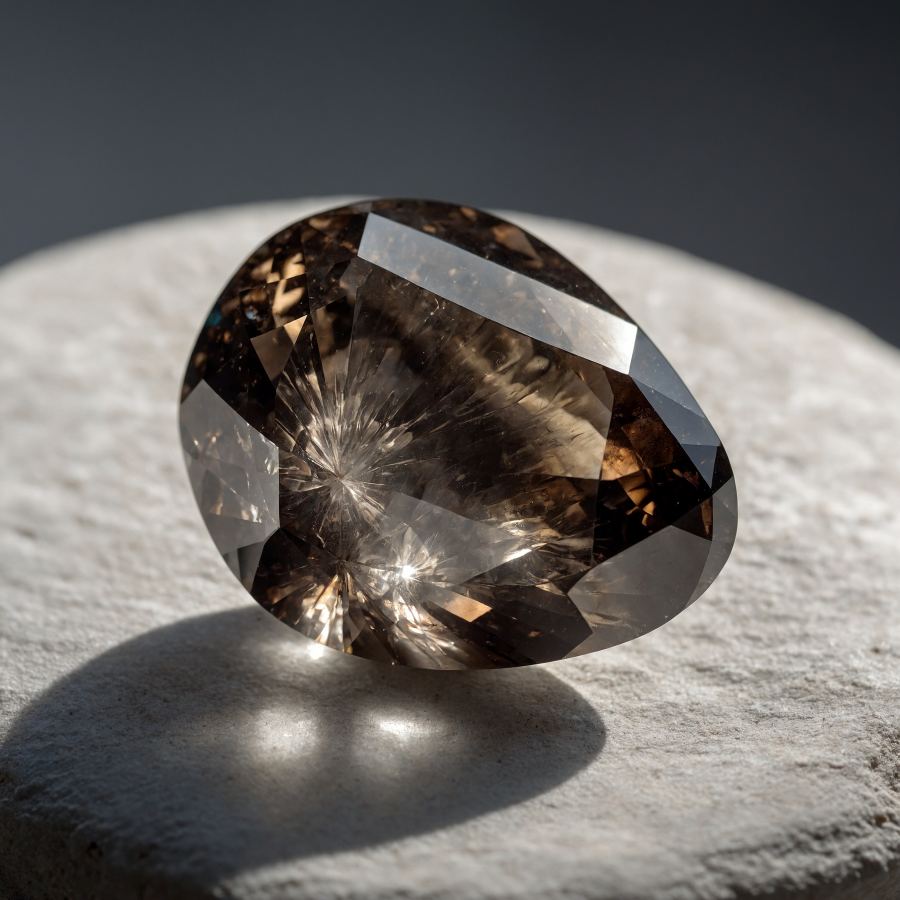
Musgravite is an exceptionally rare gemstone from the same mineral group as taaffeite. It shows uncommon shades such as greenish grey, olive green or muted violet, and has been found in only a few locations worldwide. Its formation requires highly specific geological conditions, which accounts for its rarity. It is hard enough for jewellery use, though cutting requires precision due to structural fragility. Visual identification is difficult, so certification is essential. Its true rarity and limited availability mean it appears only in carefully selected designs where authenticity matters.
Paraíba Tourmaline
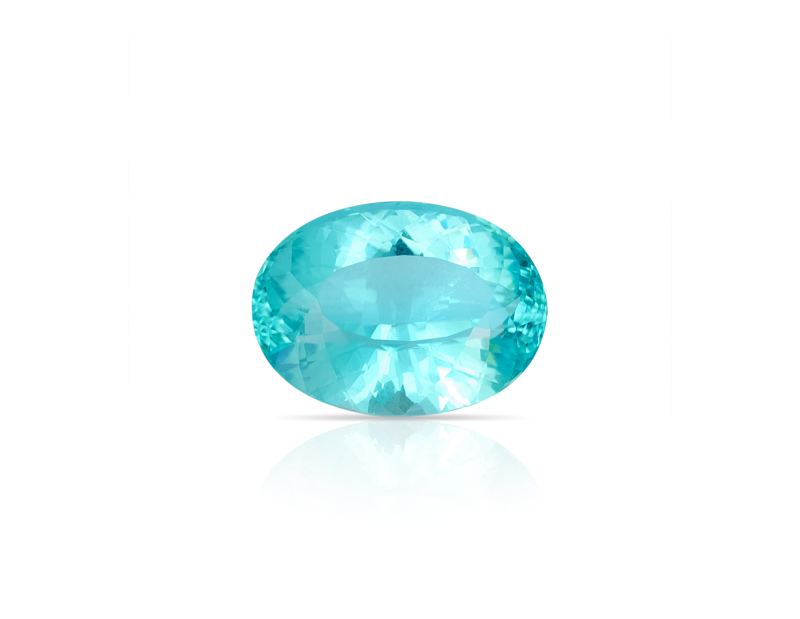
Paraíba tourmaline is instantly recognised by its colour: a vivid blue-green with an almost electric glow, caused by copper and manganese in its structure. Discovered in Brazil only recently, its rarity rivals that of the hardest-to-find gemstones. Quality stones are scarce and usually small. Some show colour variation under different light sources, adding visual interest to designs with movement and contrast. It requires careful cutting, as internal structures are not always clean. Paraíba is valued for the difficulty of obtaining a natural stone with such intensity and traceable origin.
Grandidierite
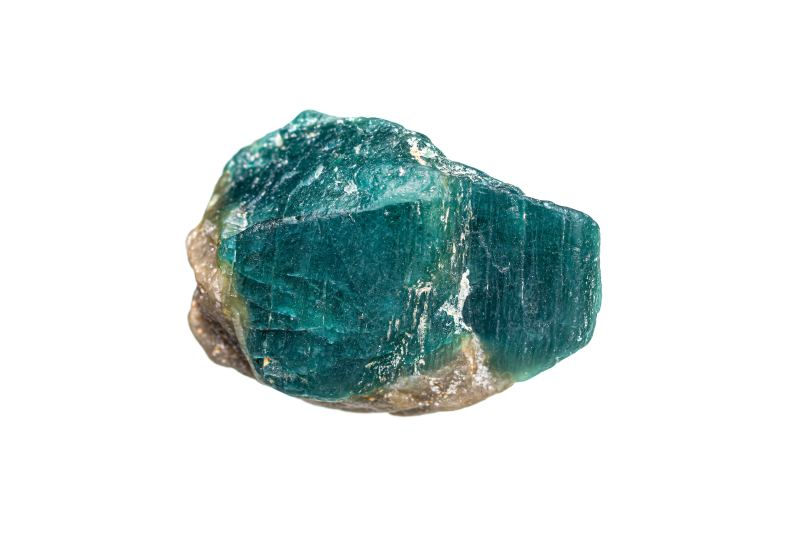
Few gemstones offer a colour quite like grandidierite. Its tones shift between neon blue and soft green, depending on light and angle. Very little of the extracted material can be cut into gemstones, and the few that meet quality standards usually come from Madagascar, showing rare levels of transparency. The mineral structure allows for defined cuts, though inclusions are common and considered part of the stone’s identity. Its geological rarity and limited appearance in jewellery contribute to its value in designs that prioritise distinctiveness and depth.
Other highly coveted gemstones in jewellery
There are also other stones that are particularly valued in fine jewellery for their visual qualities and versatility in design. Turquoise stands out for its opaque blue and even tone, often used in structured pieces with clean lines. Citrine, with its yellow to amber tones, brings warmth and light without excess. Tourmalines offer a broad colour range, allowing for contrast and variation across different styles. Opals display internal colour play that shift with the light, adding a dynamic element to rings, pendants and earrings.
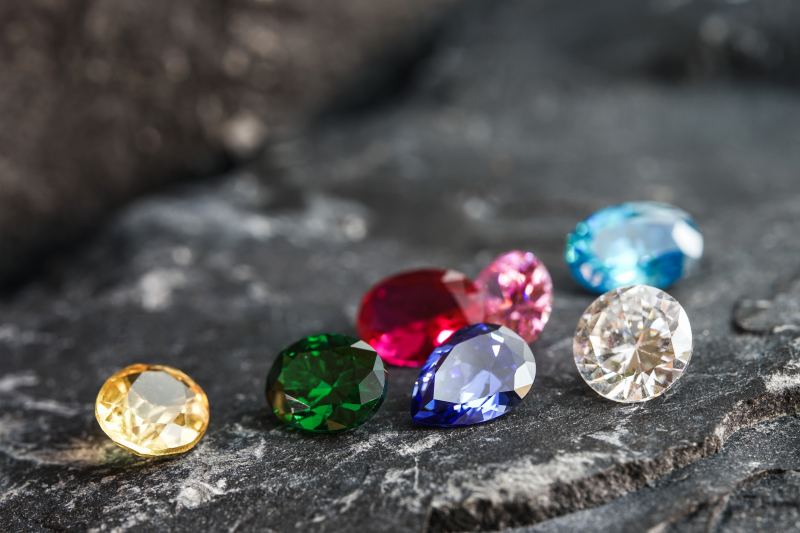
These gemstones expand the creative possibilities of high-end jewellery, enriching both the design and the personal experience of each piece.
Jewellery Store in Gibraltar
At The Red House, our jewellery in Gibraltar, every piece is crafted with careful attention to materials, design and the selection of gemstones that make a difference. We work with bracelets, earrings, necklaces, rings and pendants, using 18-carat gold in a range of finishes, including rose gold, white gold, yellow gold and white/yellow gold, as well as platinum. Each piece sets precious and semi-precious stones chosen for their character and quality. Our collection reflects the creative vision of our team and the ability to design bespoke pieces tailored to each client’s preferences.